Sustainability and resilience are popular buzzwords thrown around in the context of architecture and urban planning, but what do they mean, and are they just two words for the same thing? Reading corporate ESG reports you might think so; however, sustainability and resilience are distinct if closely related concepts.
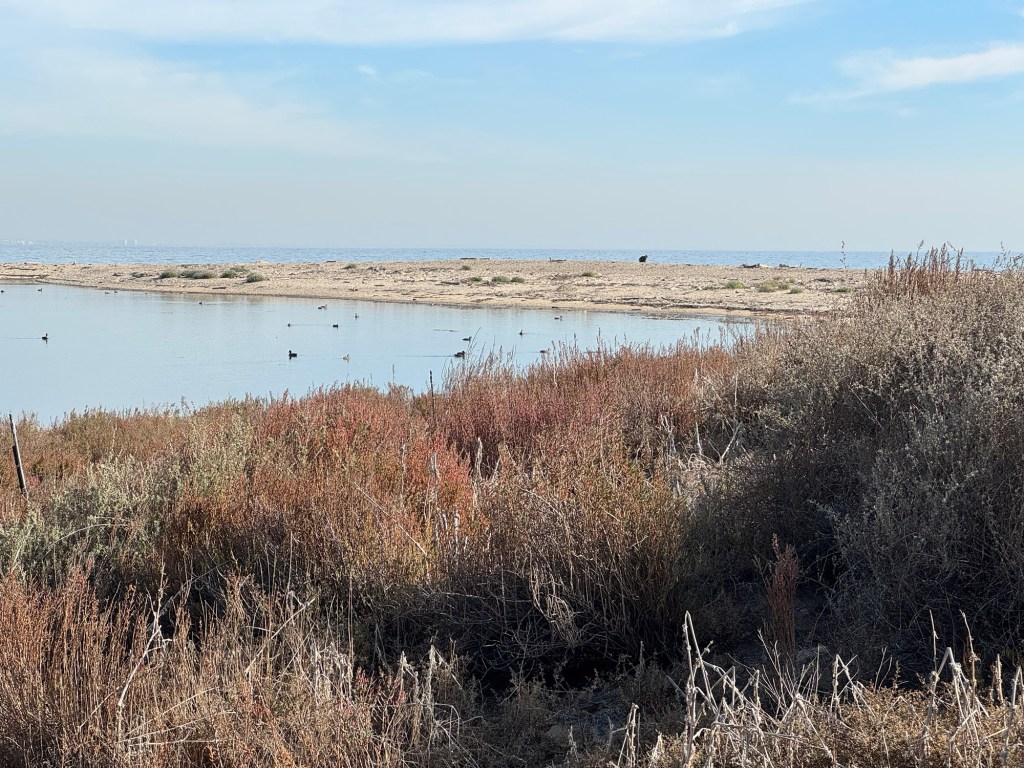
Sustainability means meeting the needs of the present without compromising the ability of future generations to meet their own needs. Sustainability is a complex and multi-faceted concept, though it is usually presented in the context of environmentalism. Certainly, protecting the natural environment and the ecosystem services it provides to human beings is a critical part of building a sustainable future; however, sustainability also encompasses human ecology.
In recent decades, the concept of environmental justice (or environmental equity) has become integral to environmental protection, emphasizing the need to build functional and equitable communities alongside environmental preservation. This effort is strengthened by a third pillar: a green economy that makes sustainable communities economically viable and encourages research and development of further sustainable solutions. These interconnected principles comprise the “triple bottom line”: planet, people, and profit—emphasizing environmental health, social equity, and economic viability.
Sustainability is challenging because moral intention alone is insufficient – sustainable solutions must be viable in the present to ensure their continuation into the future. If preserving the world for future generations compromises our ability to have those future generations, true sustainability is not achieved. However, this dilemma is often overcome through innovation, which, motivated by sustainable imperatives, finds a solution which creates both environmental and economic benefits which benefit human communities long-term.
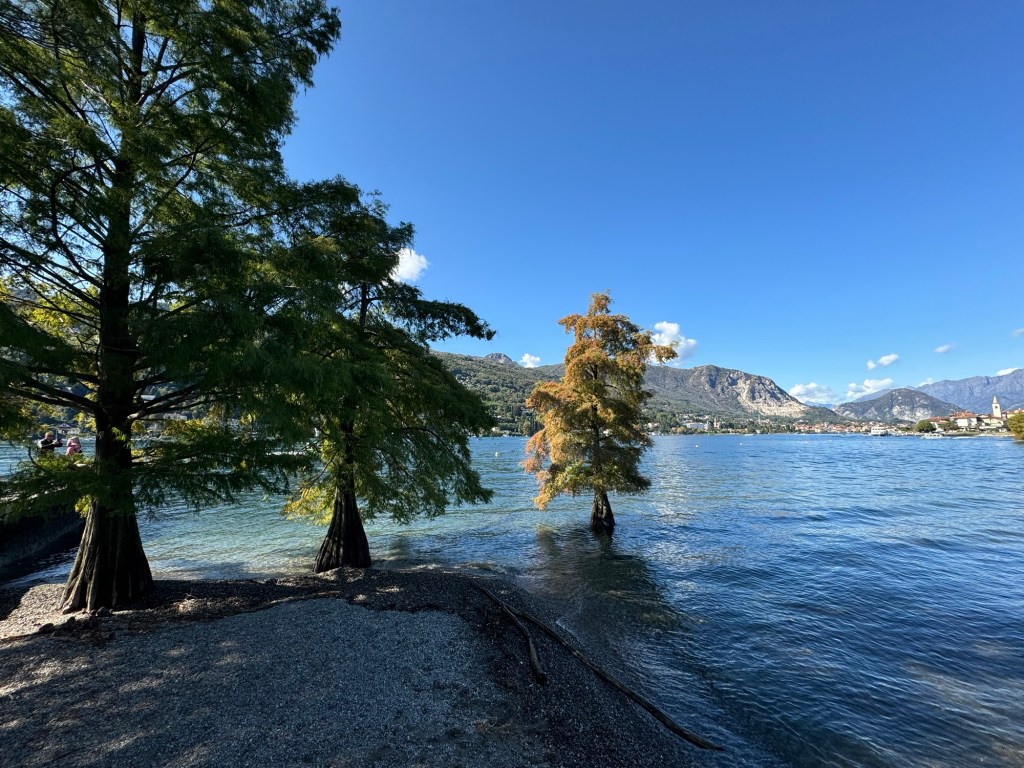
Resilience, in contrast to sustainability, is the capacity of a system to withstand and to bounce back from shocks and stresses. Resilient systems are redundant and diversified, so that the failure of one component does not doom the whole system; they are also adaptable to change.
A non-resilient building, while functional under normal conditions, can become inoperable during a disaster like a hurricane. For example, a building located in a flood-prone area might have critical systems (air conditioning, emergency power) in the basement, rendering them useless after flooding. This can quickly make the building uninhabitable, especially in hot, humid post-hurricane conditions, forcing dangerous evacuations. In extreme cases, wind and storm surge can even damage or destroy the building, with potentially tragic consequences.
In contrast, a resilient building in the same scenario would have essential systems located above flood level, ensuring continued operation of power and climate control. Robust construction would protect it from wind and storm surge. On-site resources, such as an emergency generator and stockpiled food and medical supplies, would support occupants and potentially the surrounding community. Ideally, a resilient building would not be situated in highly vulnerable areas like floodplains or exposed coastlines.
Resilient design requires balancing protection with practical considerations. While accounting for every threat is impossible, even addressing known risks involves trade-offs between cost and inconvenience. For instance, elevating essential systems above the 100- or even 500-year floodplain might be prudent, but protecting against a 1000-year flood may not be justifiable. Similarly, prioritizing the protection of essential building functions over less critical areas like parking garages requires careful consideration. Resilience always involves tradeoffs.

As we have seen above, sustainability and resilience are distinct concepts with different applications to the built environment. Sustainability focuses on maintaining a stable and enduring state, while resilience focuses on the ability to withstand and recover from disruptions. Sustainability emphasizes long-term balance and the avoidance of depletion, while resilience emphasizes adaptability and the ability to bounce back from shocks.
However, while they are distinct concepts they are practically linked. Resilience is often seen as a necessary condition for sustainability since a sustainable system must be able to withstand shocks and adapt to change to maintain its long-term viability. In turn, sustainability can contribute to resilience by reducing our reliance on finite resources and promoting environmental health, creating more robust and resilient systems.
In essence, sustainability is about creating a stable and enduring future, while resilience is about ensuring that we can navigate the uncertainties and challenges that lie ahead.
Thanks for reading! Please like this post if you enjoyed the content, comment if you have any questions, and consider subscribing to this blog for future posts.
 Green Synergies
Leave a comment