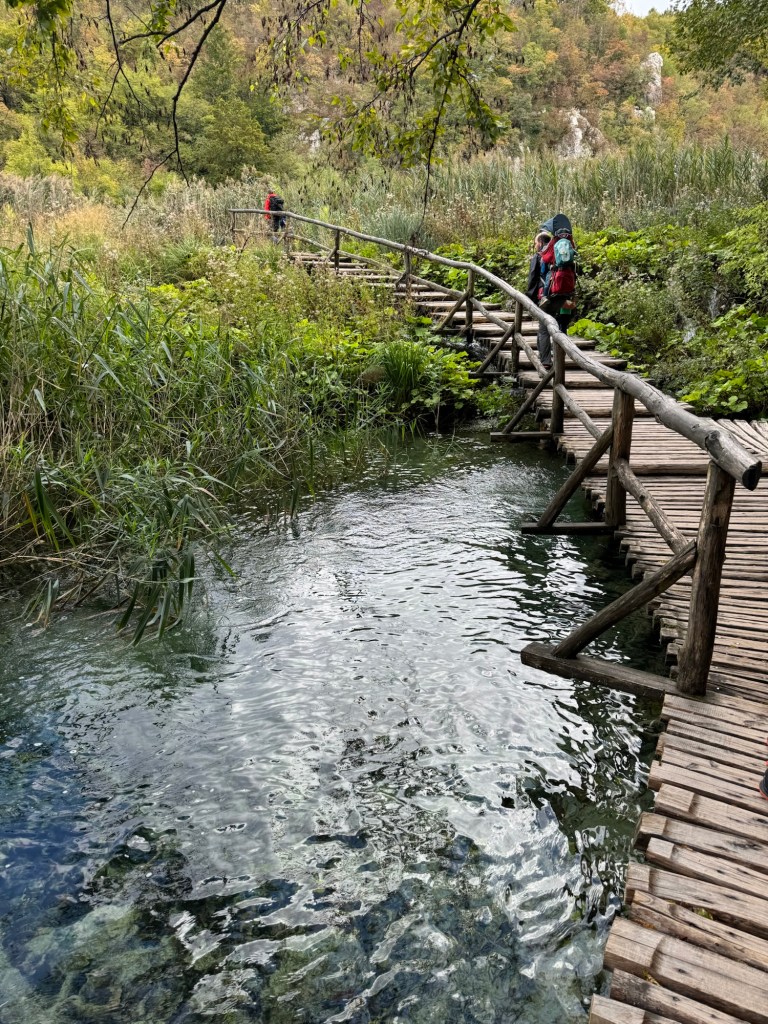
Sustainability is a popular buzzword in any industry today, and its moral clout makes the concept susceptible to hypocrisy through superficial applications or “greenwashing”, like when oil companies talk about their commitment to clean energy. The building industry is sometimes guilty of this too: sustainable design and construction means more than just solar panels, wood ceilings and a recycling program. So, given the confusion, what is true sustainability?
True sustainability is an ethos of restraint, realism and humility. It means recognizing that our generation is only one of many that will come after us or that came before us and being generous enough to our descendants and grateful enough to our ancestors to not waste what we have been given stewardship over.
Rather than a one-dimensional concept focused on preserving the natural world as we found it – an impossible task anyway, given both the instability of that environment and how human beings naturally shape our surroundings – sustainability is a complex ethos involving three dimensions: environmental, economic and social.

Environmental sustainability focuses on preserving, managing and regenerating ecosystem services, the natural benefits which ecosystems provide for human beings. This effort encompasses crucial practices like reducing pollution, conserving water, and minimizing waste. In essence, environmental sustainability recognizes the intrinsic link between human well-being and planetary health, striving to maintain a healthy environment capable of supporting human societies and all life for generations to come.

Economic sustainability ensures that current economic activities can continue, fostering long-term prosperity without depleting resources or causing irreversible damage to the environment – in other words, creating a green economy. This means creating sustainable businesses that adopt practices minimizing environmental impact, promoting fair trade to ensure the sustainability of communities, and investing in renewable energy sources to power a sustainable future and stimulate economic growth and job creation. By focusing on these areas, economic sustainability aims to decouple economic growth from environmental degradation, ensuring a healthy economy that can support current and future generations.
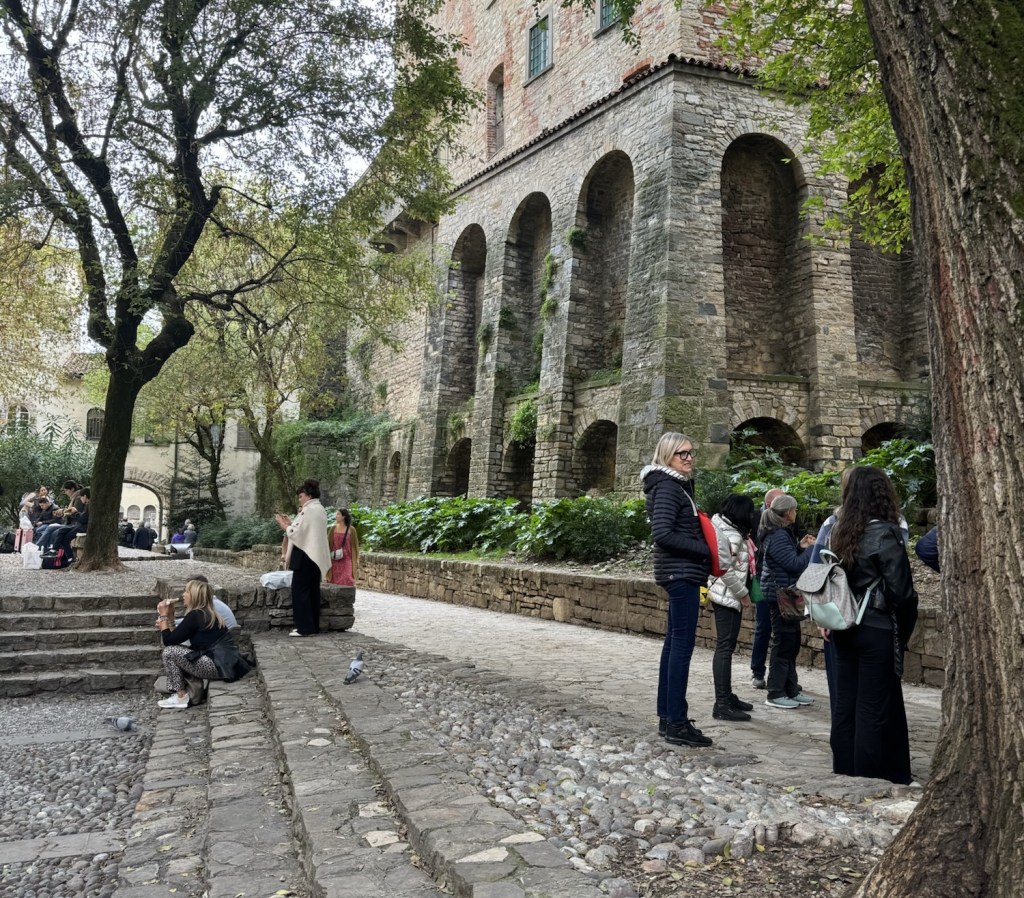
Social sustainability means ensuring that everyone has fair opportunities and access to the resources they need to live well. Fundamentally this means access to strong and supportive communities in which people can feel safe, connected and supported. Strong communities with good social cohesion and strong civic institutions possess the autonomy necessary to ensure resilience in difficult times when centralized assistance may not be available. By focusing on these areas, social sustainability aims to create a society where everyone can thrive, contributing to a more just, equitable, and sustainable future for all.
Like any guiding principle, sustainability is a habit of thought and action rather than a solution: it is a discipline not a list of instructions. There is no point at which we will have achieved sustainability; there is no final metric or ESG report for humanity that signs off on our achievement. Rather, sustainable efforts must be an act of trust in our future.
Thanks for reading! Please like this post if you enjoyed the content, comment if you have any questions, and consider subscribing to this blog for future posts.
 Green Synergies
Leave a comment