
Introduction
Over the past 25 years LEED (Leadership in Energy and Environmental Design) has grown into the world’s premier sustainable rating system, with 197,000 certified projects totaling over 29 billion square feet worldwide. Now in 2025 the system’s latest version, LEED v5, has been released and marks a significant and impactful evolution from previous versions.
Like LEED v4, LEED v5 has been developed around “impact categories”, or major goals that shape the system’s requirements. However, LEED v5 focuses LEED v4’s seven categories to just three:
- Decarbonization aims to reduce the operational, embodied, refrigerant and transportation-related greenhouse gas emissions caused by buildings.
- Quality of life aims to improve the health, well-being and resilience of building occupants and surrounding communities.
- Ecological conservation and restoration aims to limit the environmental degradation caused by building construction and operations, and to encourage building practices that contribute to ecosystem restoration.
LEED awards certification based on a project’s compliance with mandatory prerequisites and optional credits. Each credit and prerequisite in the new system is tied to one or several of the three impact areas explicitly, making it easier for project teams to explain how their design and operational choices tie in with sustainable objectives. In particular, the new system focuses on decarbonization and resilience to align the LEED system more closely with the Paris Climate Accord’s 2030 and 2050 targets.
LEED v5 also introduces new requirements for LEED Platinum certification. Previously, a project only had to achieve all prerequisites and 80 credit points to achieve LEED’s highest level of accreditation; now, projects aspiring to LEED Platinum must achieve four otherwise optional decarbonization-related credits:
- EAc1: Electrification requires the project to eliminate on-site combustion to achieve maximum points.
- EAc3: Enhanced Energy Efficiency requires projects to achieve 8 points (New Construction) or 5 points (Core and Shell), requiring a 24% energy reduction from baseline energy use.
- EAc4: Renewable Energy requires that 100% of site energy comes from renewable energy sources, either on- or off-site.
- MRc2: Reduce Embodied Carbon requires a 20% reduction in the project’s embodied carbon from a “business as usual” baseline.
You can learn more about LEED v5 here, including details about LEED for Interior Design and Construction (LEED ID+C) and LEED for Operations and Maintenance (LEED O+M). Continue reading this article for an in-depth analysis of the new system’s credits and prerequisites, focused on LEED v5 for Building Design and Construction (LEED BD+C).
For more posts on LEED v5, check out the LEED v5 tag on this blog.
Details by Credit Category
LEED organizes its credits and prerequisites into functionally related groups called credit categories. LEED v5 has eight categories: Integrative Process (IP), Location and Transportation (LT), Sustainable Sites (SS), Water Efficiency (WE), Energy and Atmosphere (EA), Materials and Resources (MR), Indoor Environmental Quality (EQ), and Project Priorities (PR).
Integrative Process, Planning and Assessments (IP)
The Integrative Process category is a procedural category focused on pre-design analysis and the establishment of sustainable goals that support the project going forward. It aims to make sustainability part of the project’s DNA, rather than a superficial late addition.
- IPp1: Climate Resilience Assessment (required): this prerequisite requires teams to describe how current or future hazards (drought, extreme heat/cold, flooding, hurricanes, hail, landslides, sea level rise, tsunamis, wildfires, etc.) might affect the project and identify two priority hazards to assess in detail. These assessments should inform later design. Impact area: Quality of Life.
- IPp2: Human Impact Assessment (required): this prerequisite requires teams to describe the project’s surrounding demographics, local infrastructure and land use, human use and health impacts, occupant experience and other categories, and to use that assessment to inform design. Impact area: Quality of Life.
- IPp3: Carbon Assessment (required): this prerequisite requires a 25-year carbon assessment using data from other prerequisites and credits. Impact area: Decarbonization.
- IPc1: Integrative Design Process (1 pt): this credit rewards the use of synergistic design strategies, an integrated team, a design charette and the use of LEED goal setting from the pre-design stage through the building’s completion and early occupancy. Impact areas: Decarbonization, Quality of Life, Ecological Conservation and Restoration.
Location and Transportation (LT)
The Location and Transportation category focuses on the project’s surroundings, how it connects to those surroundings, and the impact of transportation on the environment.
- LTc1: Sensitive Land Protection (1 pt): rewards development on previously developed land rather than greenfield, or avoiding sensitive land (prime farmland, floodplains, habitat, water bodies and wetlands, steep slopes). Impact area: Ecological Conservation and Restoration.
- LTc2: Equitable Development (2 pts): rewards the economic and social development of communities through the development of priority sites like brownfields, housing and jobs proximity, and community employment and partnerships. Impact area: Quality of Life.
- LTc3: Compact and Connected Development (6 pts): rewards the conservation of land and ecosystems by encouraging development in areas with existing infrastructure. Impact areas: Decarbonization, Quality of Life, Ecological Conservation and Restoration.
- LTc4: Transportation Demand Management (4 pts): rewards reduction in automobile use by the encouragement of alternative transportation and the reduction of parking. Impact areas: Decarbonization, Quality of Life.
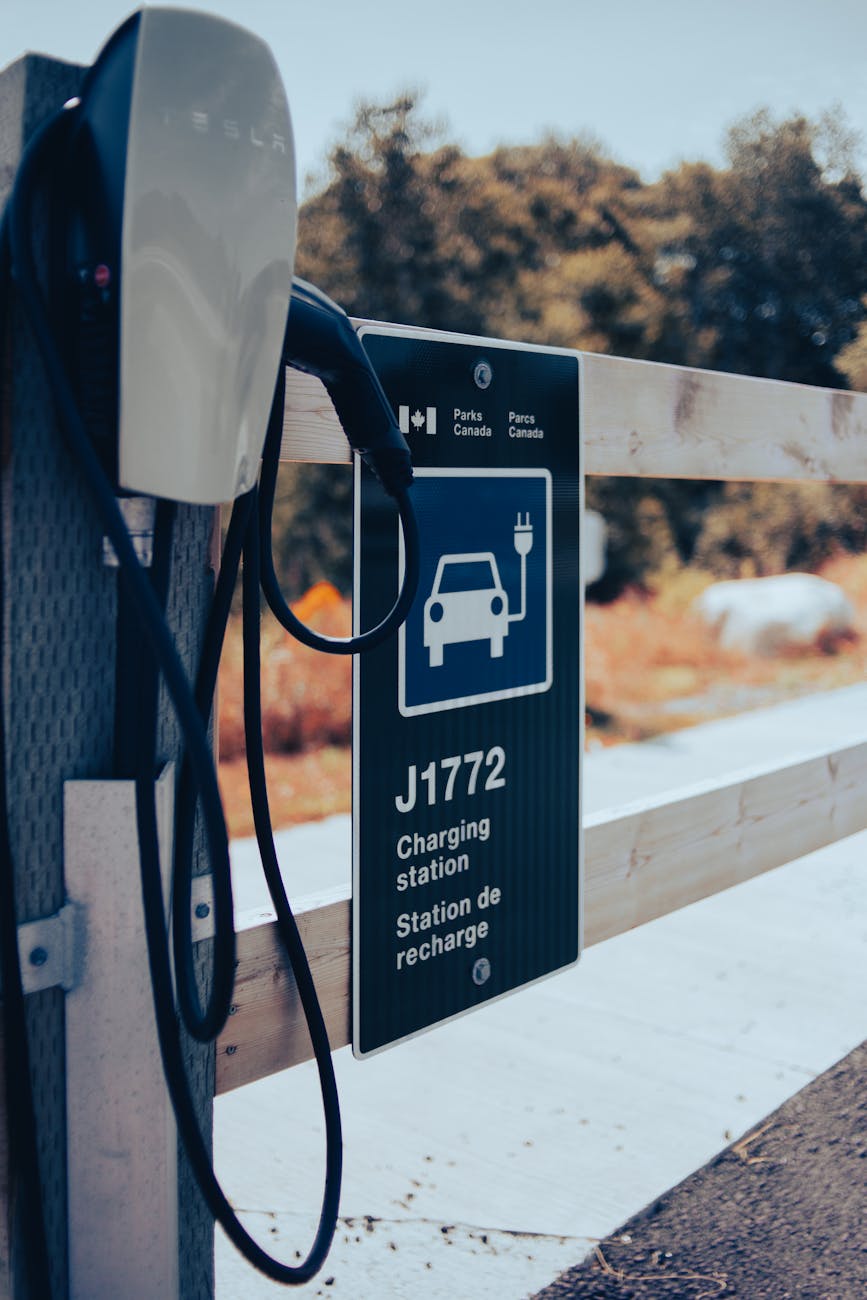
- LTc5: Electric Vehicles (2 pts): rewards the installation of EVSE equipment or electric vehicle readiness. Impact area: Decarbonization.
Sustainable Sites (SS):
The Sustainable Sites category focuses on the conservation, restoration and optimal use of the project site itself:
- SSp1: Minimize Site Disturbance (required): this prerequisite requires a site assessment to identify site features and sensitive areas, and an Erosion and Sedimentation Control (ESC) plan to protect the site from runoff caused by construction activities. Impact area: Ecological Conservation and Restoration.
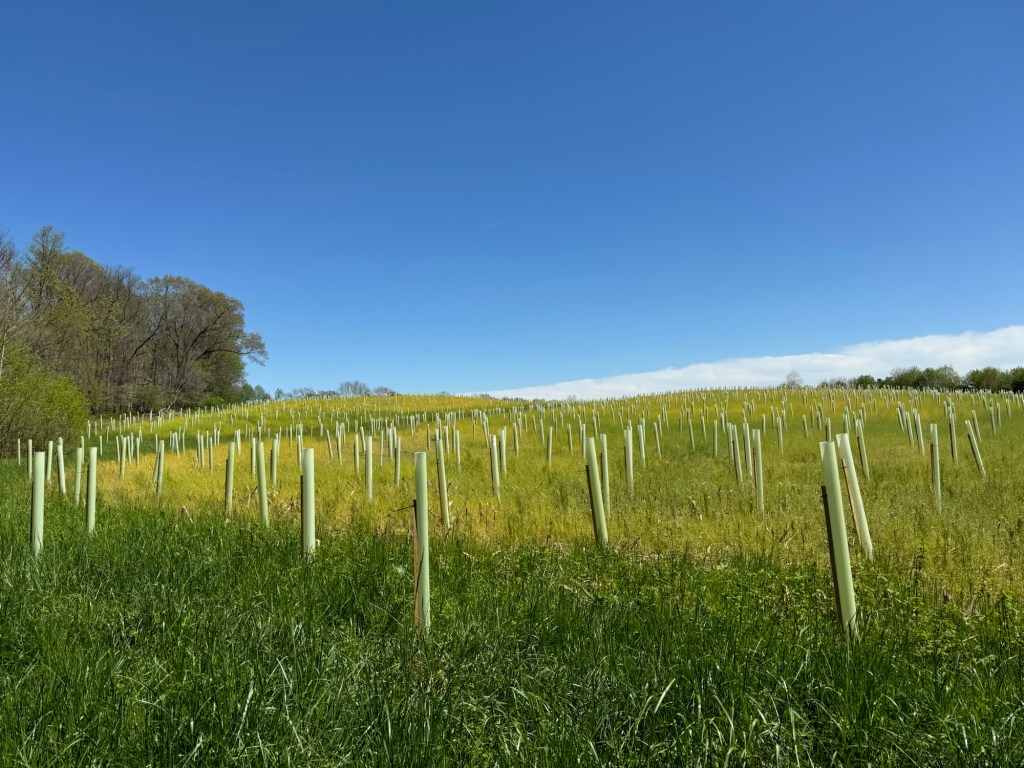
- SSc1: Biodiverse Habitat (2 pts): rewards the conservation of natural areas and the restoration of disturbed areas. Impact area: Ecological Conservation and Restoration.
- SSc2: Accessible Outdoor Space (1 pt): rewards the creation of barrier-free outdoor space for the community, such as gardens and recreation areas. Impact areas: Quality of Life, Ecological Conservation and Restoration.
- SSc3: Rainwater Management (3 pts): rewards the use of green infrastructure strategies to manage rainfall onsite. Impact area: Ecological Conservation and Restoration.
- SSc4: Enhanced Resilient Site Design (2 pts): rewards site design that responds to catastrophic natural events such as drought, extreme heat, flooding, hail, hurricanes, sea level rise, wildfires, etc. Impact areas: Quality of Life, Ecological Conservation and Restoration.
- SSc5: Heat Island Reduction (2 pts): rewards measures which mitigate the site’s urban heat island effect, such as shading and reflective surfaces. Impact areas: Decarbonization, Quality of Life, Ecological Conservation and Restoration.
- SSc6: Light Pollution Reduction (1 pt): rewards the limitation of light trespass from the site. Impact area: Ecological Conservation and Restoration.
Water Efficiency (WE):
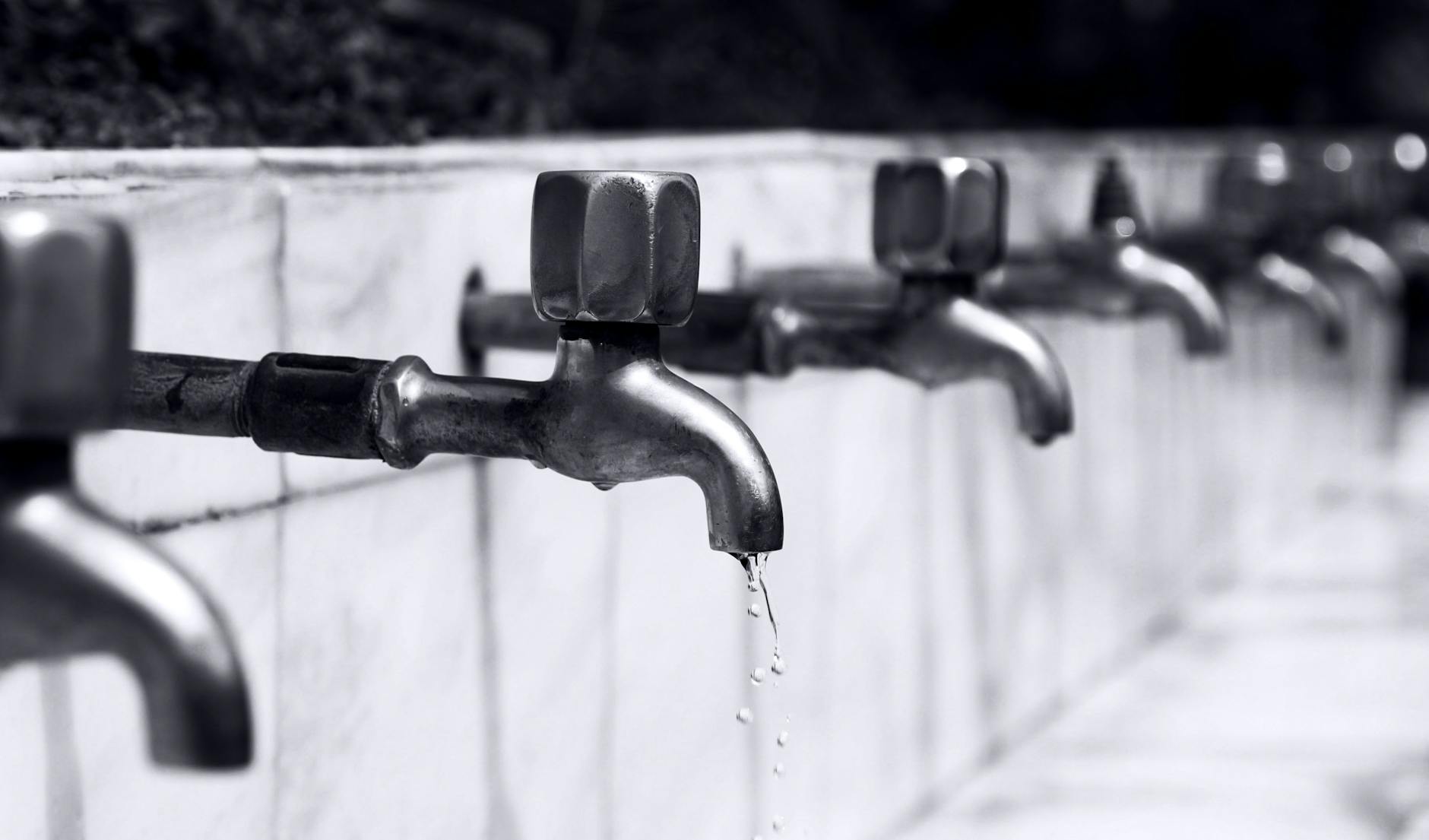
The Water Efficiency category focuses on reducing potable water use through increased efficiency and alternative water sources.
- WEp1: Minimum Water Efficiency (required): requires the reduction of potable water consumption through an efficiency-first approach. Impact areas: Decarbonization, Ecological Conservation and Restoration.
- WEp2: Water Metering and Reporting (required): requires installing permanent water meters to monitor, record and report whole-building water use. Impact area: Ecological Conservation and Restoration.
- WEc1: Enhanced Water Efficiency (8 pts): rewards the reduction of potable water use (indoor, outdoor and process water) by increasing efficiency above the requirements of WEp1 and using alternative water sources. Impact areas: Decarbonization, Ecological Conservation and Restoration.
- WEc2: Water Metering and Leak Detection (1 pt): rewards subsystem water metering and leak detection sensors. Impact areas: Decarbonization, Quality of Life, Ecological Conservation and Restoration.

Energy and Atmosphere (EA)
The Energy and Atmosphere category measures a project’s energy efficiency and greenhouse gas emissions and reflects a strong emphasis on decarbonization. EA is LEED’s largest credit category at 33 possible points for new construction and has the largest number of mandatory prerequisites, reflecting the importance LEED v5 places on decarbonization.
- EAp1: Operational Carbon Projection and Decarbonization Plan (required): this prerequisite requires an early design analysis of the project’s energy efficiency, peak load reduction and decarbonization using simplified energy modeling; a site energy prediction; and a “business as usual” carbon projection. Based on this analysis, a decarbonization plan (either design for electrification or another path) is required. Impact area: Decarbonization.
- EAp2: Minimum Energy Efficiency (required): this prerequisite requires compliance with ASHRAE 90.1 Appendix G requirements for energy efficiency. Impact area: Decarbonization.
- EAp3: Fundamental Commissioning (required): this prerequisite requires the commissioning of building systems, controls and envelope in order to ensure that an energy efficient design becomes reality. Impact area: Decarbonization.
- EAp4: Energy Metering and Reporting (required): this prerequisite requires building operators to monitor and record building energy use and reporting this data to USGBC. Impact area: Decarbonization.
- EAp5: Fundamental Refrigerant Management (required): this prerequisite requires either using no refrigerants or using refrigerants with low global warming potential. Impact area: Decarbonization.
- EAc1: Electrification (5 pts): rewards buildings designed to avoid dependence on onsite fuel-burning. Impact area: Decarbonization.
- EAc2: Reduce Peak Thermal Loads (5 pts): rewards thermal efficiency measures using infiltration and balanced ventilation, energy recovery, thermal bridging reduction, or other methods. Impact area: Decarbonization.
- EAc3: Enhanced Energy Efficiency (10 pts): rewards achieving greater energy efficiency than mandated by EAp2. Impact area: Decarbonization.
- EAc4: Renewable Energy (5 pts): rewards onsite renewable energy production or the support of offsite renewable energy production. Impact area: Decarbonization.
- EAc5: Enhanced Commissioning (4 pts): rewards enhanced commissioning and/or monitor-based commissioning for MEP systems and building enclosure. Impact area: Decarbonization.
- EAc6: Grid-Interactive (2 pts): rewards grid-interactive measures such as onsite energy storage, a demand response program, or automated demand side management. Impact area: Decarbonization.
- EAc7: Enhanced Refrigerant Management (2 pts): rewards the avoidance of refrigerants or the use of refrigerants with low global warming potential. Impact area: Decarbonization.

Materials and Resources (MR)
The Materials and Resources category considers the impact of a project’s material choices on the environment and how to use natural resources more efficiently.
- MRp1: Planning for Zero Waste Operations (required): this prerequisite requires the design of dedicated areas for recyclable storage and other measures for minimizing waste. Impact areas: Decarbonization, Ecological Conservation and Restoration.
- MRp2: Assess and Quantify Embodied Carbon (required): this prerequisite requires the assessment and quantification of the embodied carbon impacts of the structure, enclosure, and hardscape of a project, and the identification of the top three sources of embodied carbon. Impact area: Decarbonization.
- MRc1: Building and Materials Reuse (3 pts): rewards the reuse of existing buildings or the use of salvaged materials. Impact areas: Decarbonization, Ecological Conservation and Restoration.
- MRc2: Reduce Embodied Carbon (6 pts): rewards measures to track and reduce embodied carbon in major structural, enclosure and hardscape materials. Impact area: Decarbonization.
- MRc3: Low-Emitting Materials (2 pts): rewards the specification and installation of low-emitting installed products (paints, coatings, adhesives, flooring, etc.), or of inherently non-emitting or salvaged products. Impact area: Quality of Life.
- MRc4: Building Product Selection and Procurement (5 pts): rewards choosing more sustainable non-structural building products. Impact areas: Decarbonization, Quality of Life, Ecological Conservation and Restoration.
- MRc5: Construction and Demolition Waste Diversion (2 pts): rewards the development and implementation of a construction and demolition materials management plan and the diversion and recycling of construction waste streams. Impact areas: Decarbonization, Ecological Conservation and Restoration.
Indoor Environmental Quality (EQ)
The Indoor Environmental Quality category emphasizes good indoor air quality, lighting, acoustics and thermal comfort for building occupants.
- EQp1: Construction Management (required): this prerequisite requires the development and implementation of a construction management plan (no smoking, extreme heat protection, HVAC protection, source control) to protect the health or construction workers and building occupants. Impact area: Quality of Life.
- EQp2: Fundamental Air Quality (required): this prerequisite requires the investigation of outdoor air quality and the design of ventilation and filtration to meet the ASHRAE 62.1-2022 standard. Impact area: Quality of Life.
- EQp3: No Smoking or Vehicle Idling (required): this prerequisite requires the prohibition of smoking inside the building and outdoors except in a designated smoking area, and the prohibition of vehicle idling on site. Impact area: Quality of Life, Environmental Conservation and Restoration.
- EQc1: Enhanced Air Quality (1 pt): rewards the increase of outdoor air ventilation rates over the prerequisite baseline, or the use of other means to enhance indoor air quality for the comfort and health of building occupants. Impact area: Quality of Life.
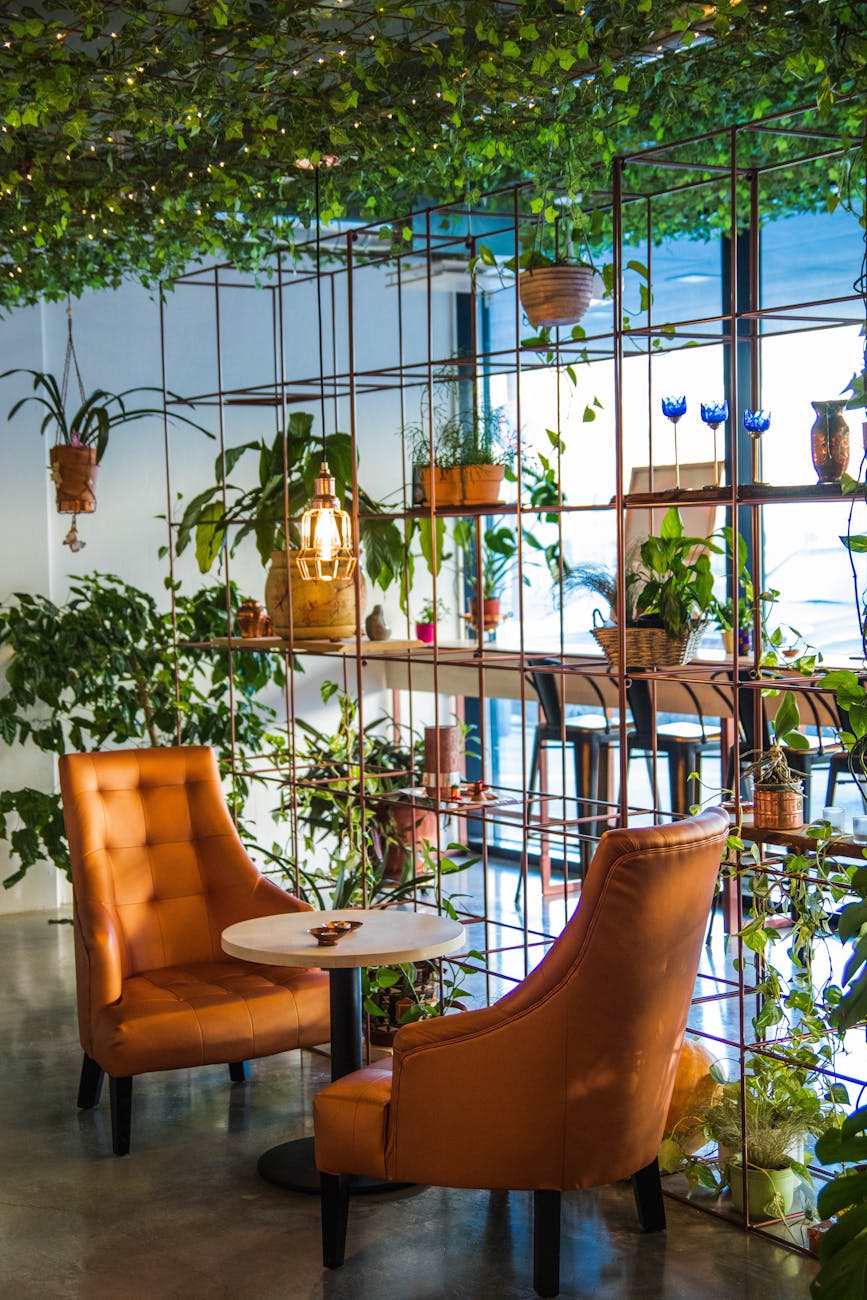
- EQc2: Occupant Experience (7 pts): rewards the use of satisfying spaces using biophilic design, quality views, an adaptable environment, good thermal or acoustic performance, or good quality lighting or daylighting. Impact area: Quality of Life.
- EQc3: Accessibility and Inclusion (1 pt): rewards compliance with local accessibility codes and the inclusion of 10 accessibility and inclusion strategies relevant to the project to support the needs of a diverse range of occupants. Impact area: Quality of Life.
- EQc4: Resilient Spaces (2 pts): rewards the design of systems with management modes for dangerous conditions such as wildfire smoke or respiratory diseases or designing for thermal safety during power outages or providing operable windows. Impact area: Quality of Life.
- EQc5: Air Quality Testing and Monitoring (2 pts): rewards pre-occupancy air testing or continuous air monitoring to support the health of building occupants. Impact area: Quality of Life.
Project Priorities and Innovation (PR)
Finally, the Project Priorities and Innovation category offers project teams a diverse range of options for extra credit.
- PRc1: Project Priorities (9 pts): rewards the achievement of regional priority, project-type specific, exemplary performance or pilot credits, or the use of innovative strategies not addressed by LEED.
- PRc2: LEED AP (1 pt): rewards the inclusion of a LEED Accredited Professional with the appropriate specialty on the design team as a principal participant.
Conclusion
Overall, LEED v5 represents a significant evolution from LEED v4. Though a few credits are substantially similar, all seem to have been at least edited; many have been consolidated, and many new credits have been added to reflect a stronger emphasis on decarbonization and resilience, concepts which saw little to no mention in the previous version.
LEED v5 presents a challenge and an opportunity for designers, constructors and building operators to embrace sustainable design and construction in the built environment.
Thanks for reading! Please like this post if you enjoyed the content, comment if you have any questions, and consider subscribing to this blog for future posts.
Note: this post has been substantially edited since its original publication to reflect changing information about LEED v5.
 Green Synergies
Leave a comment