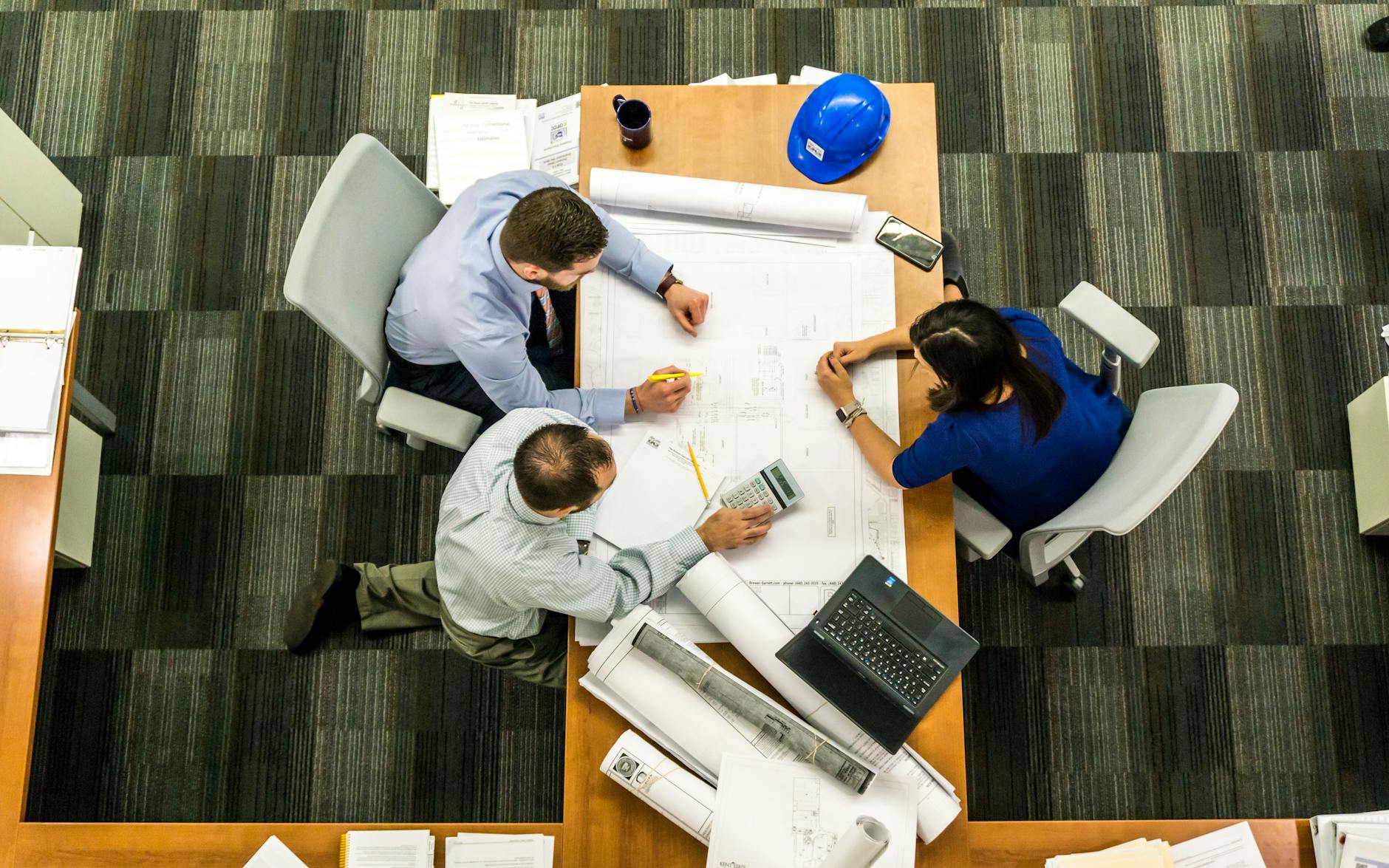
Coordinated planning is key to the successful execution of any complex endeavor and nowhere is this truer than in sustainable design. The concept of an integrative process – the early collaboration of different design disciplines and project stakeholders to identify issues and opportunities and to create synergistic solutions – is central to sustainable design and to the LEED system, a centrality reflected in the strong emphasis LEED v5 places on pre-design analysis in its Integrative Process, Planning and Assessments (IP) credit category.
To achieve certification, project teams must comply with three mandatory prerequisites in the Integrative Process category. The first of these, IPp1 Climate Resilience Assessment, requires teams to identify site-specific natural hazards such as drought, extreme heat, extreme cold, flooding, hurricane and high winds, hail, landslide, seal level rise, storm surge, tornado, tsunami, wildfires and winter storms. After these are identified, the team must prioritize two project-relevant hazards to address through design strategies.
For each hazard, the team must describe:
- The IPCC emissions scenario used, specifying the Shared Socioeconomic Pathways used in modelling future hazards. These SSPs are climate change scenarios associated with different sets of global developmental conditions and involve different conclusions about the future of global warming and the environmental hazards it causes. To verify the validity of the team’s reasoning, understanding their assumptions about future climate threats is important.
- The project’s projected service life, since some hazards may not emerge until after the project has been retired.
- The hazard level and risk rating to determine if the hazard is significant.
- The project’s exposure, sensitivity, adaptive capacity, vulnerability and overall risk level.
- And, based on the above, the hazard’s potential impact on the project site both during construction and during building operations.
This information should influence the team’s design choices and the operation and maintenance of the built project. The key is to concretely link the hazard assessment to details of the project’s planning and operations, rather than to nebulously ascribe design decisions to vague environmental threats. Projects can receive up to two points for SSc4 Enhanced Resilient Site Design by doing this.
For example, if a project team is considering locating a building near the Atlantic coast of Florida, the hazards of sea level rise, storm surge, extreme heat and hurricanes are all considerations. These hazards would inform, ideally, what site was chosen for the project (i.e. not within a zone vulnerable to storm surge and sea level rise during the project’s lifespan), and resilience measures included in the building’s design, such as elevating its essential functions above storm surge level in order to maintain building function in the event of flooding, or choosing impact resistant glass to protect against windborne debris.
Conducting a Climate Resilience Assessment provides project teams with valuable information about the hazards faced by their projects and ties a building’s design to the local hazards it will have to face, making resilience a reality not just a nice thought.
Thanks for reading! Please like this post if you enjoyed the content, comment if you have any questions, and consider subscribing to this blog for future posts.

 Green Synergies
Leave a comment