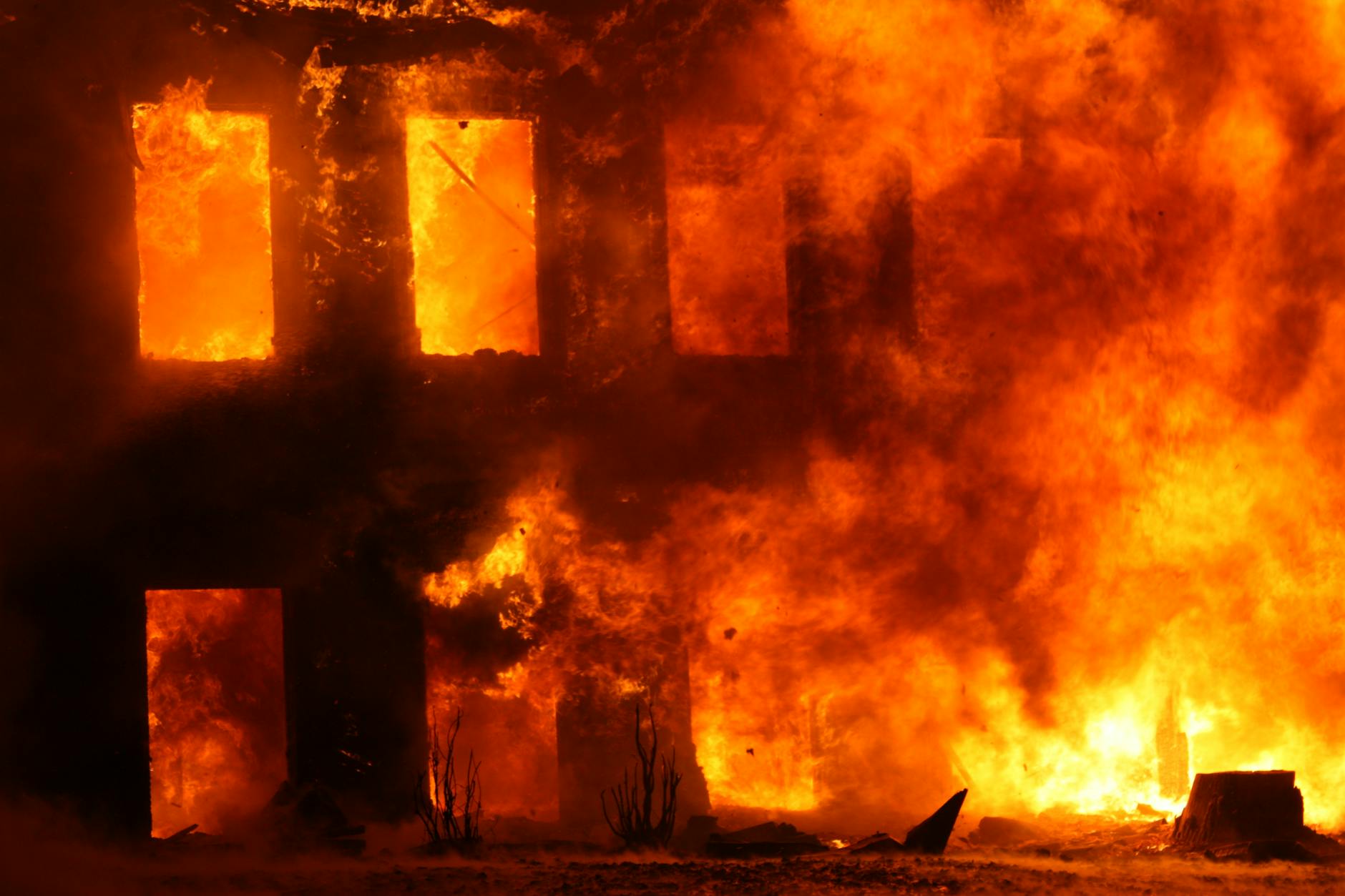
The ongoing LA fires raise important questions about the resilience of the wildland-urban interface, which I addressed in a recent post. However, as this Slate article perceptively points out, while the fires started in wilderness areas, their destructiveness is due to the spread of flames from structure to structure, not from vegetation to structure. This raises questions about how to protect our cities from fires which start outside or inside the urban perimeter.
The answer seems to be uncomplicated and to require little innovation: fire hardening measures have been technologically available for decades, and the concept of defensible space is well-established by this point. The difference seems mainly social and financial, not technical.
But the way we’ve built our communities is a significant hurdle. Homeowners can upgrade their roofs, cover their soffit and attic vents with ember-blocking metal mesh and remove firewood piles from right next to their living room windows. They can clean out their gutters religiously and keep their lawns cut and their trees trimmed.
But in dense neighborhoods where 100 feet of defensible space is a joke, and the next house (i.e. fuel source) may be far less than 30 feet away, these measures will help but may not be enough. Existing communities are not usually built to resist fires, whether wildland or urban, and the increasing density of suburban development – desirable from a sustainability perspective and for economic reasons – makes fire spread easier.
In the event of community-wide catastrophe, as this MIT Technology Review report cited in the Slate article points out, fire officials are faced with the decision to order evacuation, or to pursue the more controversial course of sheltering in place: “to effectively live with fire, we can build places that are easy to escape from or places that are easy to defend.”
Shelter-in-place is a controversial strategy which looks callous when it fails but can be the best option in the case of a fast-moving fire and a long, tenuous evacuation route. This strategy requires designated safety zones for the public to evacuate too, or hardened buildings and defensible space in which to shelter. Unfortunately, in many locations these shelters are not available.
This increasing danger of community destruction from wildland-to-urban fire is a provocation to planners and officials to rethink how we deal with such conflagrations, and to plan our communities accordingly.
Thanks for reading! Please like this post if you enjoyed the content, comment if you have any questions, and consider subscribing to this blog for future posts.
 Green Synergies
Leave a comment