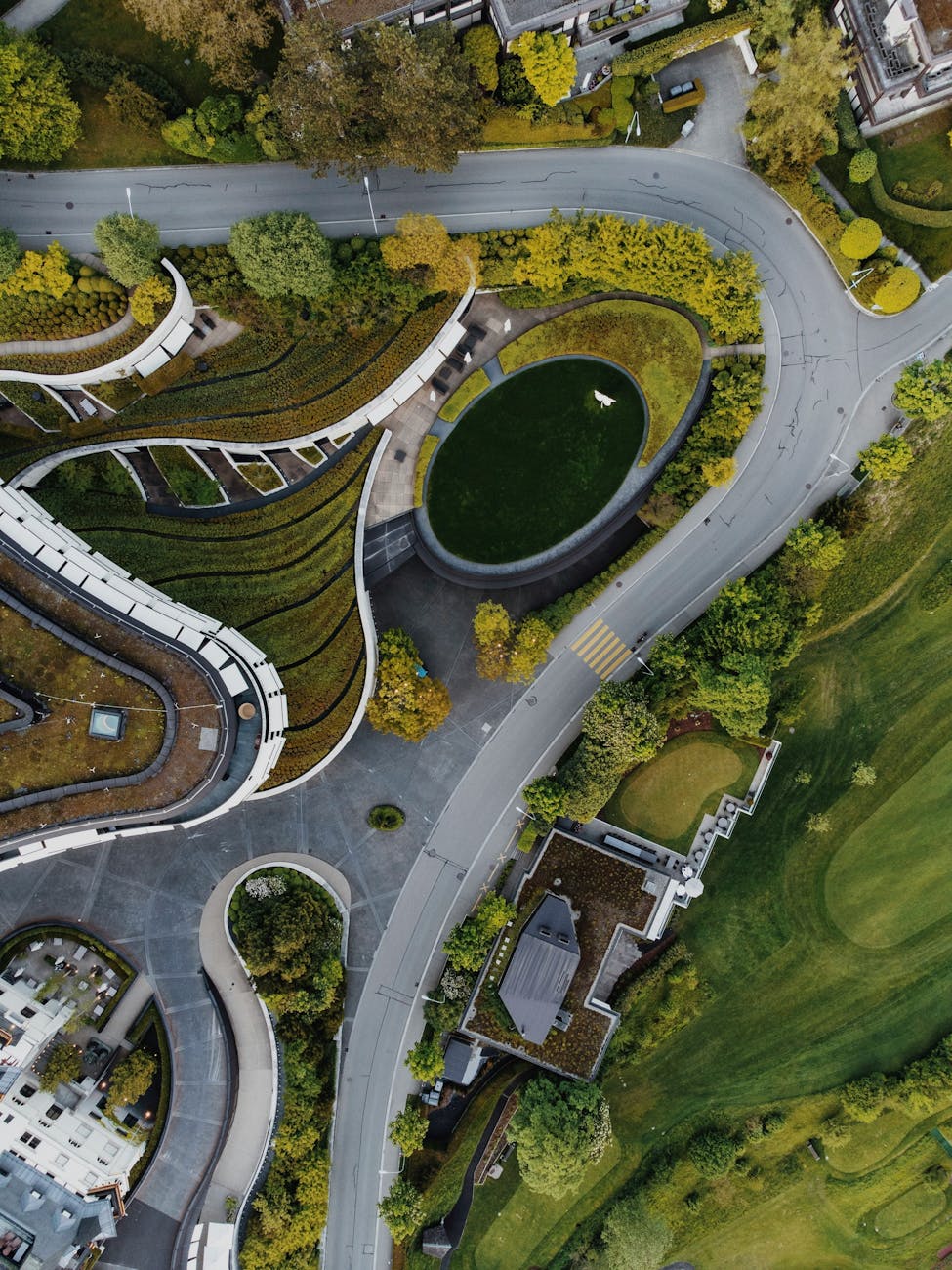
Given the highly integrated nature of sustainable design, understanding the interrelation between different building systems is critical to a successful and efficient design process. Changes to one system (e.g. more glazing for increased daylighting) can negatively impact others (e.g. increased energy consumption because of increased cooling loads due to solar heat gain). Conversely, one strategy can have rippling positive effects. A synergistic strategy is a single technique or group of related techniques which have multiple positive benefits to other aspects of the building.
In this series of posts, I intend to explore both the positive and the negative synergies that designers need to be aware of when designing a sustainable building. I am going to begin this series on sustainable synergies with the vegetated roof (or “green roof”), one of the most familiar strategies in the sustainable designer’s arsenal.
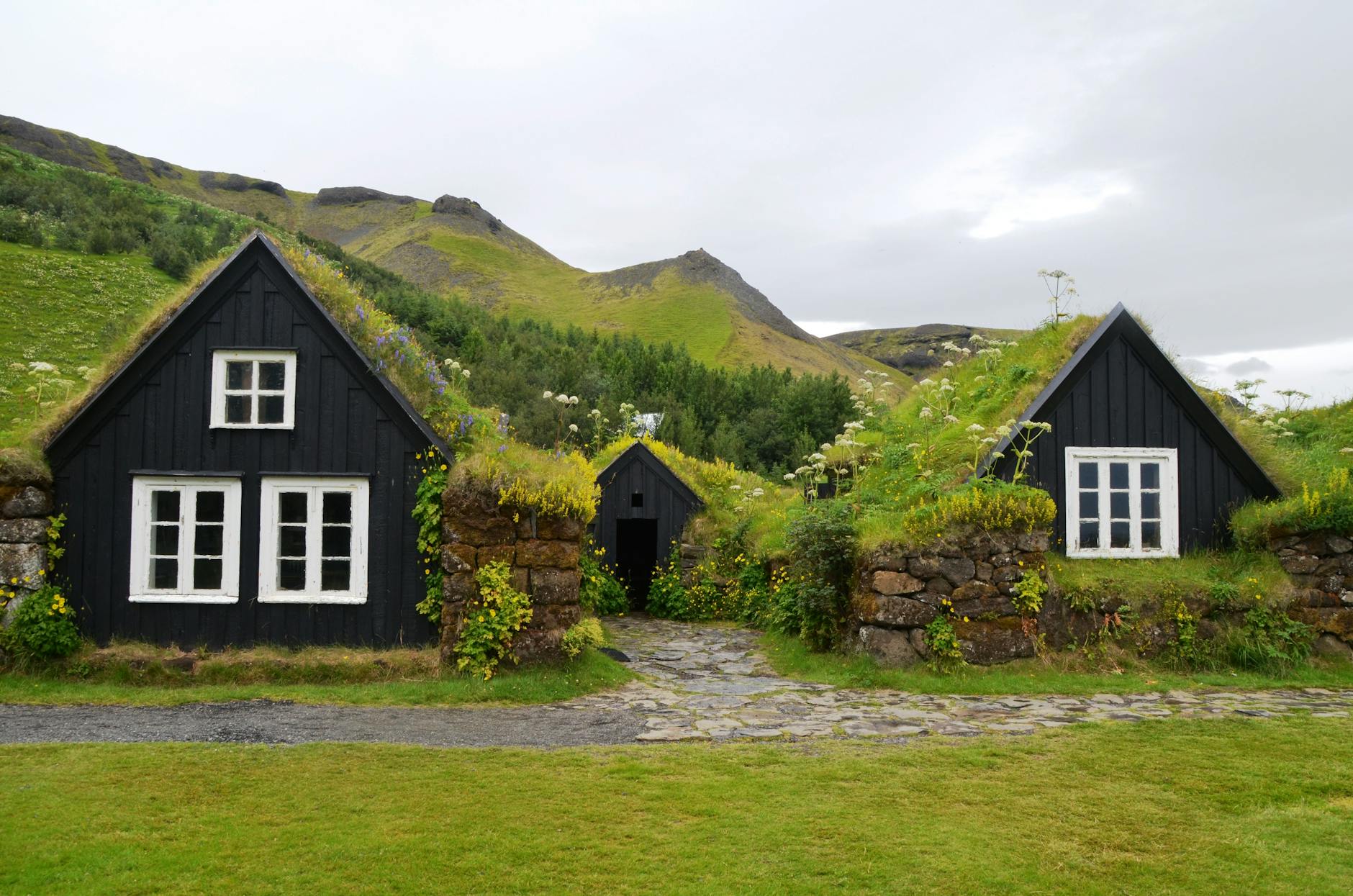
Very simply, a vegetated roof is a roof system that is partially or completely covered with vegetation planted in a growing medium over a waterproofing membrane. Extensive vegetated roofs are shallow systems (about 4-6 inches) supporting low-maintenance vegetation such as grasses and sedums; intensive vegetative roofs are deeper systems (8 inches or more) that can support a wider variety of plants, including shrubs and even small trees.
The addition of vegetation to a roof system typically complicates design and increases construction costs, but vegetated roofs have become a signature of green building because they are much more than greenwashing: they are a powerful synergistic strategy with multiple benefits:
- Open space: vegetated roofs provide open outdoor space, often in urban areas where such space is rare. If the roof is accessible, building occupants (or even the general public) can experience the regenerative effects of the natural environment even in the middle of a concrete jungle. Even if the roof is not accessible, views of vegetation tend to have a positive psychological effect. (Projects with an FAR of 1.5 or more are eligible for the LEED Sustainable Sites credit Open Space.)
- Habitat: this open space may also provide habitat for insects, birds and other animals, depending on the vegetation chosen. (Projects with an FAR of 1.5 or more are eligible for the LEED Sustainable Sites credit Site Development – Protect or Restore Habitat.)
- Heat island reduction: vegetation sheds heat through evapotransiration, and reduces solar heat gain by shading the building, reducing its contribution to the urban heat island effect. (Projects may be eligible for LEED Sustainable Sites credit Heat Island Reduction.)
- Rainwater management: soil and vegetation absorb and retain rainwater, delaying that water’s entrance into the stormwater system. This is compatible with green infrastructure (GI) or low-impact development (LID) goals. (Projects may be eligible for LEED Sustainable Sites credit Rainwater Management.)
- Improved energy performance: a thick layer of soil on the roof provides insulation, helping to regulate building temperature. (This is an add-on benefit: soil is not a very efficient insulator compared to foam or other conventional products.) In addition, vegetation sheds heat through evapotranspiration. These phenomena can help a project reduce cooling or heating loads and achieve its energy efficiency goals. (The project may also be eligible for the LEED Energy and Atmosphere credit Optimize Energy Performance.)
- Roof membrane protection: soil covers the roof membrane and protects it from UV rays, which will degrade conventional roofing membranes. The insulation provided by the soil also reduces the temperature extremes the membrane is subjected to, reduces its expansion and contraction and the damage caused by that movement, and thus increases the roof’s lifespan, sometimes doubling it.
- Acoustic insulation: green roofs can reduce sound transmission significantly, especially important in noisy urban environments.
- Food production: vegetated roofs can be used to grow ornamental plants; however, they can sometimes be used as food gardens, providing the building and community with the benefits of urban agriculture.
Overall, the inclusion of a vegetated roof is a strategy which punches above its weight in terms of sustainable design (even if its actual weight has some consequences for structural design).
Thanks for reading! Please like this post if you enjoyed the content, comment if you have any questions, and consider subscribing to this blog for future posts.
 Green Synergies
Leave a comment