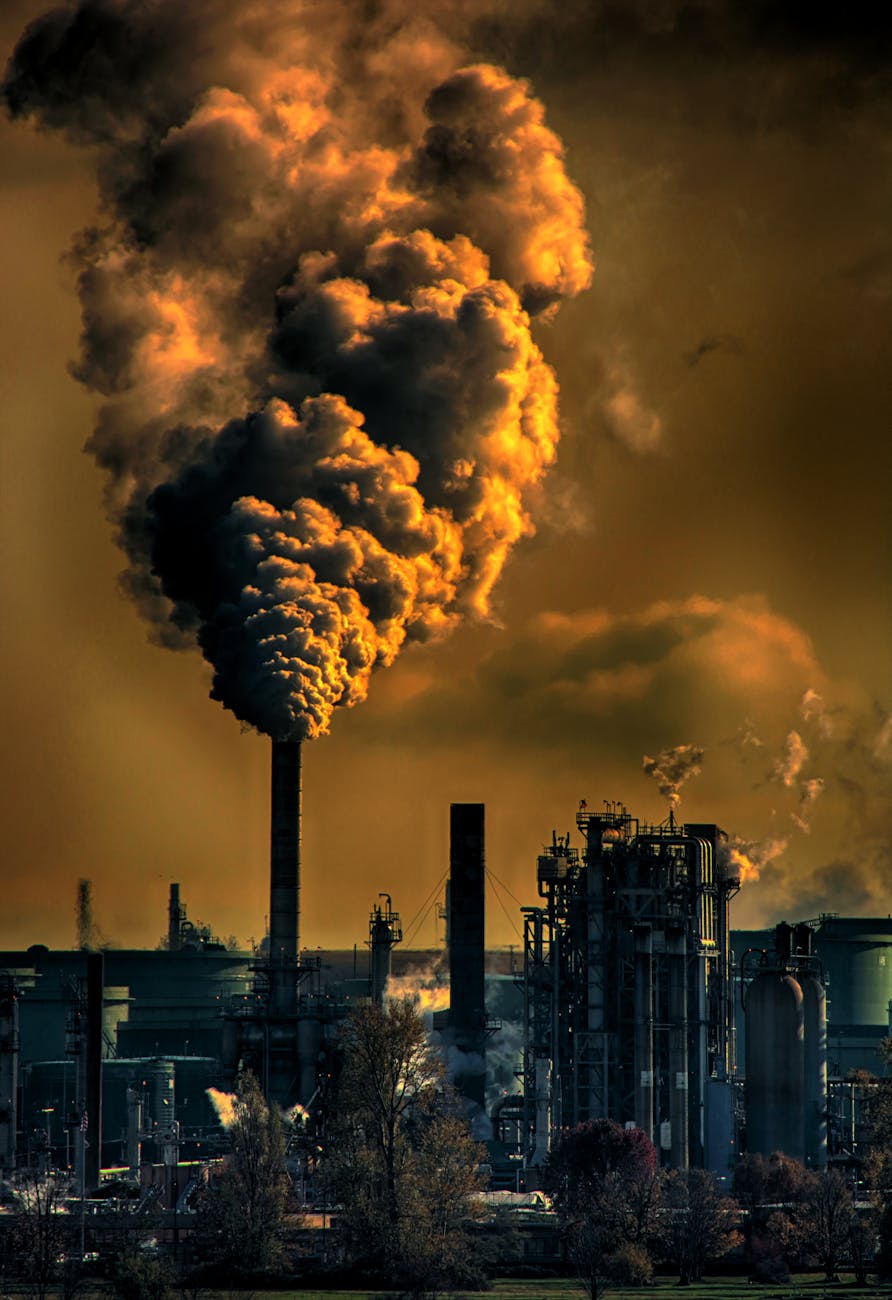
Decarbonization is the decoupling of our energy needs from fossil fuels (like coal, oil and natural gas) and other sources of carbon emissions (like wood burning).
This shift is seen by policy makers as critical for several reasons, including making sure we have sustainable and secure energy supplies, and protecting the environment. However, the most pressing reason for decarbonization is to combat global warming, which is partly caused by the burning of fossil fuels. Since buildings consume a large portion of electrical and thermal energy, much of which still comes from fossil fuels, reducing the energy that buildings use can potentially make a significant contribution to reducing carbon emissions and mitigating climate change.
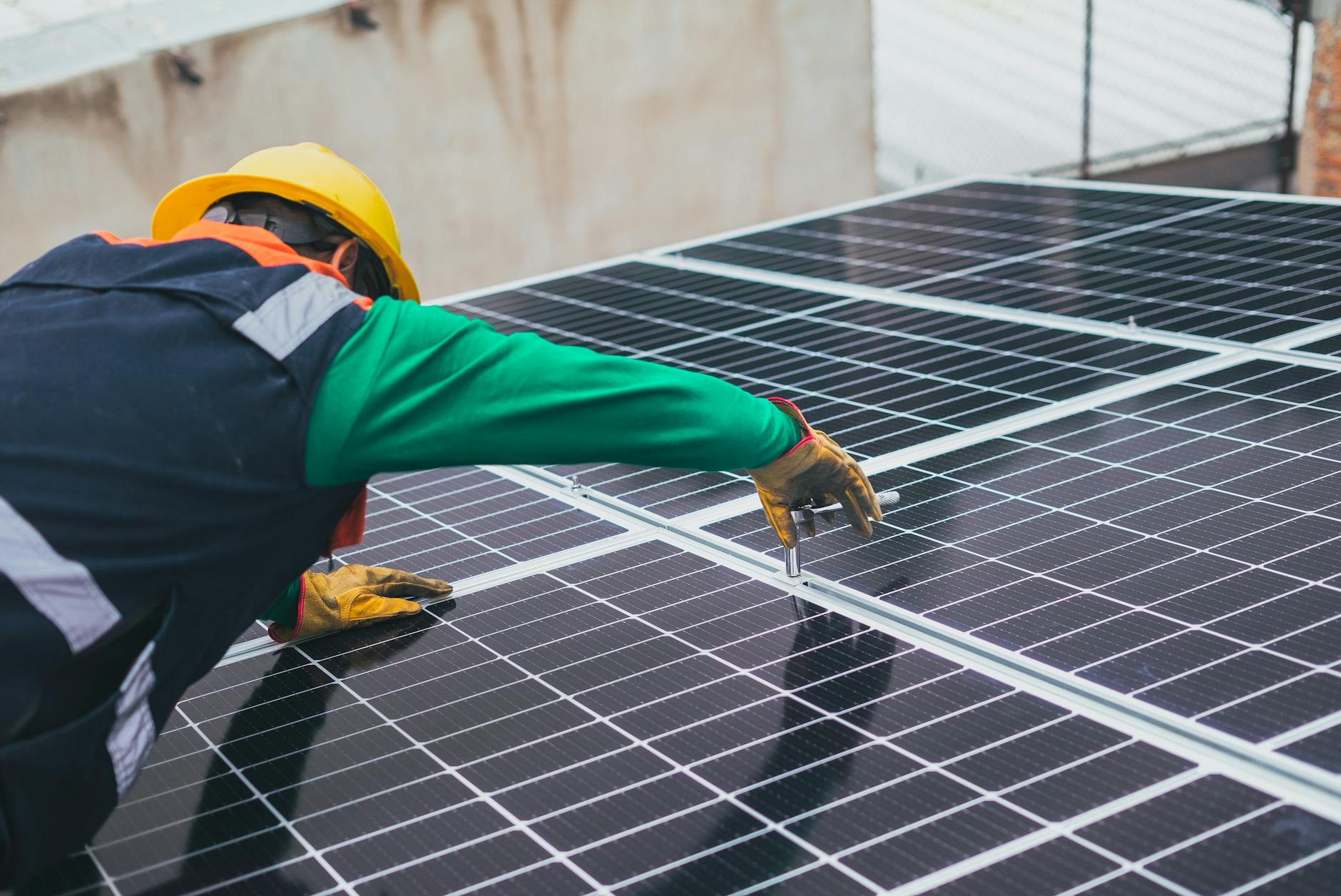
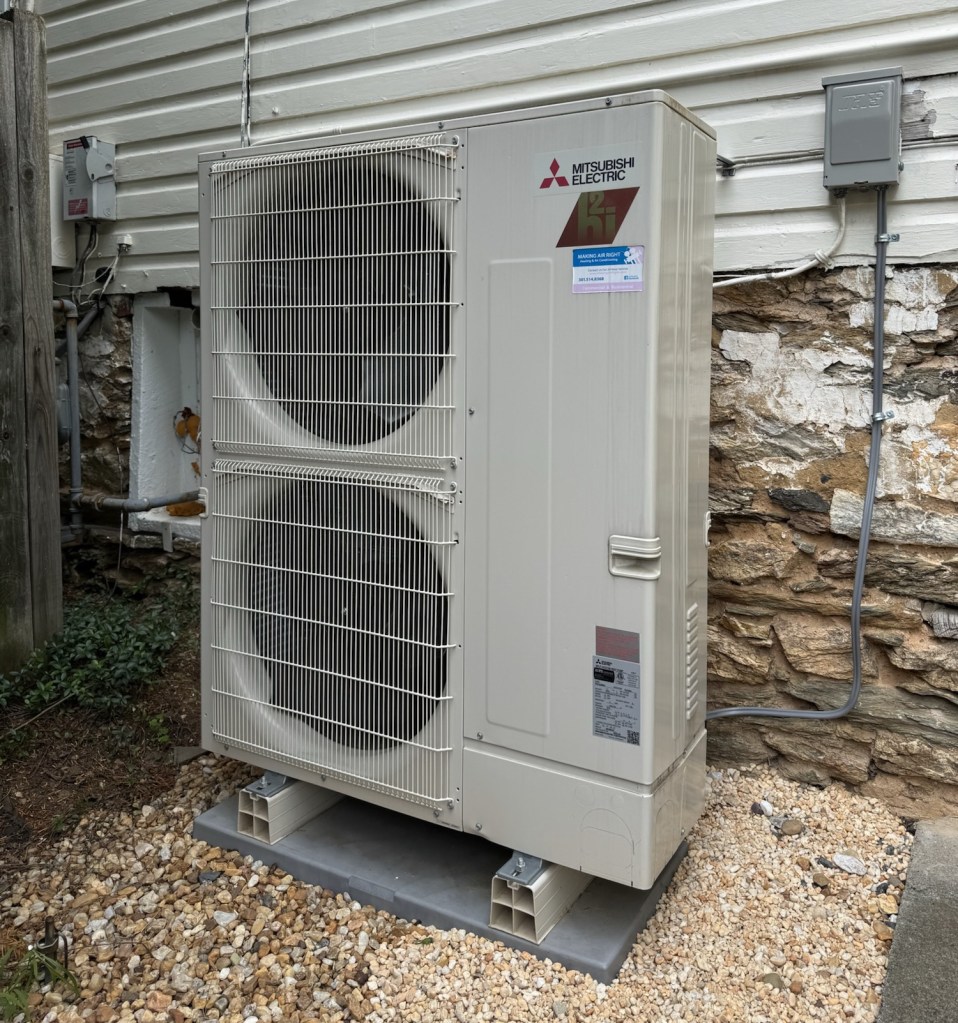
In addition to simply reducing the energy consumption of buildings through increased energy efficiency, designers and building owners can push for electrification. Electrification (running building systems such as space heating and water heating on electricity, rather than using the combustion of fuels like natural gas) sets up buildings to use clean, non-carbon sources of energy such as solar, wind, hydropower or geothermal, even if those sources are not currently available.
Furthermore, since buildings consume large quantities of resources (materials and energy) in their construction, they are major sources of embodied carbon, the greenhouse gas emissions associated with the production of a material or product throughout its lifecycle. Concrete and steel, the backbone of modern buildings, are especially high sources of embodied carbon since their production is very energy intensive. The use of low carbon materials such as mass timber, and the reuse of building materials, can reduce a project’s embodied carbon.
LEED v5 was developed around three impact areas: decarbonization, quality of life and ecological conservation and restoration, and the revised system targets decarbonization aggressively to reduce operational and embodied carbon, as well as carbon emissions from transportation which connects the building with its surroundings, and the global warming potential of refrigerants used in cooling systems.
Projects aiming for certification cannot escape the need to at least assess project carbon and plan for decarbonization, since three prerequisites (IPp: Carbon Assessment, EAp: Operational Carbon Projection and Decarbonization Plan and Assessment and MRp: Quantify Embodied Carbon) rely on these activities.
To achieve the highest level of LEED v5 certification, LEED Platinum, projects must meet more stringent decarbonization requirements. Four otherwise optional credits become requirements for projects seeking Platinum certification:
- EAc: Electrification requires the elimination of onsite combustion except for emergency support equipment such as generators, with some exceptions for projects in very cold climates.
- EAc: Enhanced Energy Efficiency requires projects to achieve a reduction of at least 24% in the building’s energy consumption from a baseline standard, or 80% with renewable energy sources included.
- EAc: Renewable Energy requires that 100% energy used by the building come from renewable energy sources, either on- or off-site.
- MRc: Reduce Embodied Carbon requires a 20% reduction in the project’s embodied carbon from a “business as usual” baseline.
Because of the three decarbonization prerequisites, it is structurally impossible for projects to completely ignore decarbonization and get certified under LEED v5, and many valuable credits such as EAc: Electrification (5 pts) and MRc: Reduce Embodied Carbon (6 pts) require reducing a project’s carbon footprint. Though LEED v4 strongly emphasizes the need to reduce carbon emissions, LEED v5 goes well beyond the previous system in its explicit emphasis on this important sustainability goal.
For further reference, here is a list of the prerequisites and credits that explicitly mention decarbonization:
- IPp: Carbon Assessment:
- The intent of this prerequisite is to “understand and reduce long-term direct and indirect carbon emissions including on-site combustion, grid-supplied electricity, refrigerants, and embodied carbon.”
- It requires project teams to develop a 25-year carbon projection using EAp: Operational Carbon Projection and Decarbonization Plan, EAp: Fundamental Refrigerant Management, MRp: Assess Embodied Carbon, and, optionally, LTc: Transportation Demand Management.
- In other words, the assessment targets operational, embodied, refrigerant and transportation carbon.
- EAp: Operational Carbon Projection and Decarbonization Plan:
- This prerequisite requires an early analysis of building energy efficiency, peak loads and possible decarbonization measures, and a site energy use prediction.
- The USGBC will generate a “business as usual” (BAU) carbon projection for the project, which serves as a baseline for carbon reductions.
- Then, teams can either design for electrification (i.e. get 4-5 pts for EAc: Electrification) or plan for decarbonization by 2050, including electric readiness.
- MRp: Assess and Quantify Embodied Carbon:
- This prerequisite requires teams to quantify the global warming potential of project materials such as asphalt, concrete, and steel.
- And to determine their cradle-to-gate embodied emissions.
- This analysis creates baseline for MRc: Reduce Embodied Carbon
- Teams must also identify the top three sources of carbon in the project, and create strategies to reduce these sources.
- MRc: Reduce Embodied Carbon (LEED Platinum requirement):
- This credit rewards up to 6 pts for 40% reduction from the embodied carbon baseline established by MRc: Assess and Quantify Embodied Carbon, or from the industry average.
Many other LEED credits and prerequisites deal with decarbonization directly or imply decarbonization as a useful strategy. Credits that imply decarbonization are as follows:
- LTc: Electric Vehicles:
- Rather than allowing LNG or other alternative fuels, as v4 does, this credit rewards the installation of electric vehicle supply equipment (EVSE) only.
- LTc: Transportation Demand Management:
- Aims to reduce pollution through encouraging alternative transport (such as bicycles) and reducing parking space available to project users.
- That is, reduce the demand for cars by project users by providing attractive alternatives.
- LTc: Compact and Connected Development:
- Rewards locating the project in areas of increased density and connection that encourage walking by project users, and/or have access to transit options that encourage more efficient people moving.
- Locating a building in a compact and connected development reduces reliance on cars, which encourages decarbonization through reduced reliance on fossil fuels and potentially on fossil fuel sourced electricity for electric cars.
- EAp: Fundamental Refrigerant Management:
- Rewards the reduction of greenhouse gas emissions from refrigerants by requiring the project either to use no refrigerants or to use low GWP refrigerants.
- EAc: Enhanced Refrigerant management:
- Rewards projects that either eliminate refrigerants or use refrigerants with low GWP.
- EAc: Electrification (LEED Platinum requirement):
- Requires the elimination of onsite combustion except for emergency support systems.
- At 5 points, this is a big credit.
- EAc: Grid-Interactive:
- Requires energy storage onsite that allows projects to draw power from the power grid when grid carbon intensity is low, i.e. when the grid is providing power from renewable sources.
- And/or a demand response program that reduces power grid peak load, discouraging oversizing of power generation equipment.
- And/or the use of automated demand side management to shed power during peak times. Projects cannot use fuel combustion for this.
- EAc: Renewable Energy (LEED Platinum requirement):
- This credit’s intent is to “encourage…the use of renewable energy to reduce environmental and economic impacts associated with fossil fuel energy use…”
- It rewards up to 5 points for powering the project with 100% renewable energy sources
- The use of existing off-site renewable sources also gets points, but fewer. This encourages investment in new renewable energy sources.
- EAp: Minimum Energy Efficiency, EAc: Enhanced Energy Efficiency, EAp: Fundamental Commissioning, EAc: Enhanced Commissioning, EAc: Reduce Peak Thermal Loads:
- These credits and prerequisites all contribute to project energy efficiency, reducing energy demand which is often satisfied by fossil fuels, thus contributing to decarbonization indirectly.
- MRc: Building Product Disclosure and Optimization, MRc: Building and Materials Reuse, MRc: Construction and Demo Waste Diversion:
- These credits all emphasize the use of reused or recycled materials or contribute to a reduction in construction waste.
- The reuse of a material rather than the carbon intensive production of new materials reduces the project’s embodied carbon.
Thanks for reading! Please like this post if you enjoyed the content, comment if you have any questions, and consider subscribing to this blog for future posts.
 Green Synergies
Leave a comment