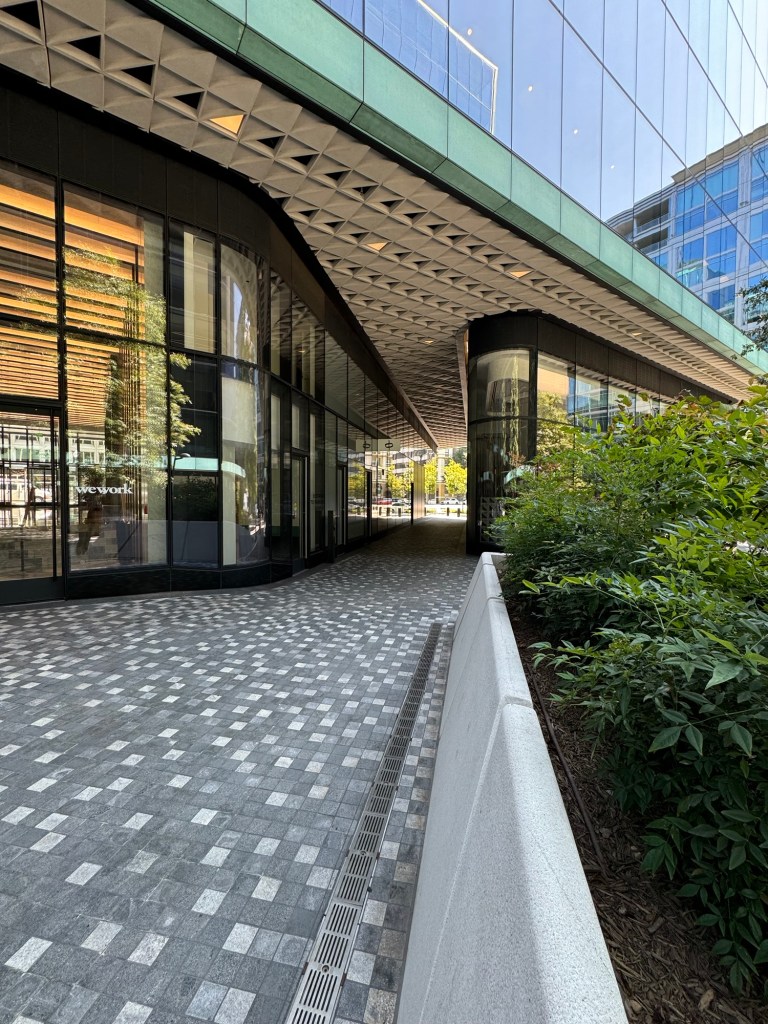
Given the highly integrated nature of sustainable design, understanding the interrelation between different building systems is critical to a successful and efficient design process. Changes to one system (e.g. more glazing for increased daylighting) can negatively impact others (e.g. increased energy consumption because of increased cooling loads due to solar heat gain). Conversely, one strategy can have rippling positive effects. A synergistic strategy is a single technique or group of related techniques which have multiple positive benefits to other aspects of the building.
In this series of posts, I intend to explore both the positive and the negative synergies that designers need to be aware of when designing a sustainable building.
Site choice is one of the most important decisions a project owner can make. The project’s location determines its financial (land cost) and economic (access to markets) viability, legal restrictions (zoning), and even its basic constructability (soils, hazards, spatial constraints). Site choice also has a major impact on the project’s sustainability goals.
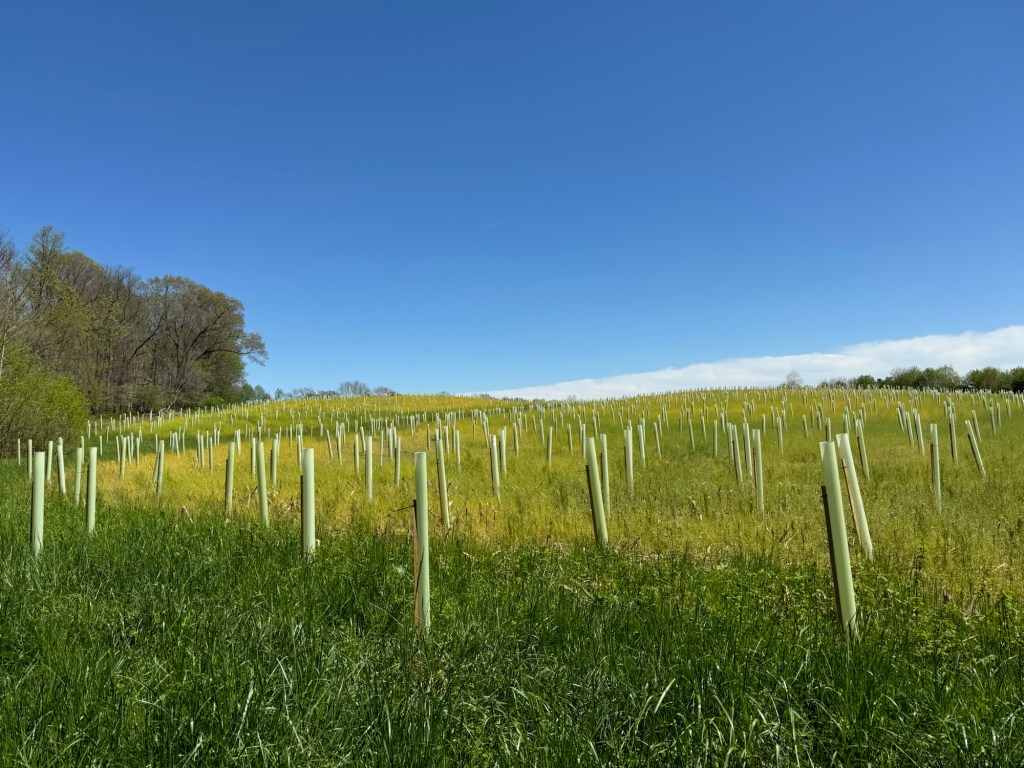
Choosing an urban site is a synergistic strategy which has multiple sustainable benefits:
- Greenfield protection: unlike many rural and suburban sites, urban sites are almost always on previously developed land or surrounded by previously developed land. As such, they are unlikely to contain sensitive habitat or valuable resources like prime farmland soils, so the choice of an urban site protects these valuable and often irreplaceable natural resources. (Projects may be eligible to earn LTc: Sensitive Land Protection.)
- Access to transit, alternative transportation and walkability: urban locations are more likely than rural or suburban sites to have access to public transit, alternative transportation infrastructure such as bicycle networks, and the density and short distances necessary for walkability. Granted, this is not always the case: cities contain many walkability deserts which are also ill-served by public transit. But it is easier, given the denser nature of urban development, to correct these problems in cities than in suburbs or rural areas. (Projects may be eligible for LTc: Surrounding Density and Diverse Uses, LTc: Access to Quality Transit.)
- Existing infrastructure: urban sites are usually already served by roads, sewers, water mains, electrical lines and other infrastructure which must be installed at significant expense in rural or suburban areas. The denser nature of urban development also makes the installation of newer infrastructure less expensive, given the shorter distances involved, and less expensive to maintain. In some locations, projects may be able to take advantage of district energy systems, which produce thermal energy (often steam) centrally and distribute it to a campus or neighborhood. These systems are much more energy efficient because of economies of scale.
- Reduced Parking: space is at a premium in urban areas, which leads to reduced space available for parking. Parking goes into above-ground structured parking or underground, which removes the disadvantages of surface parking lots; moreover, urban sites usually offer less parking overall than suburban sites, reducing the use of automobiles overall. (Projects may be eligible for LTc: Reduced Parking Footprint.)
- Urban Revitalization: urban neighborhoods which have suffered from social or economic issues can be revitalized by the redevelopment of existing buildings or sites, including contaminated brownfields. While this is also true in suburban and rural areas, the dense nature of urban areas intensifies the impact, positive or negative, of a site on its neighbors. (Projects may be eligible for LTc: High-Priority Site.)
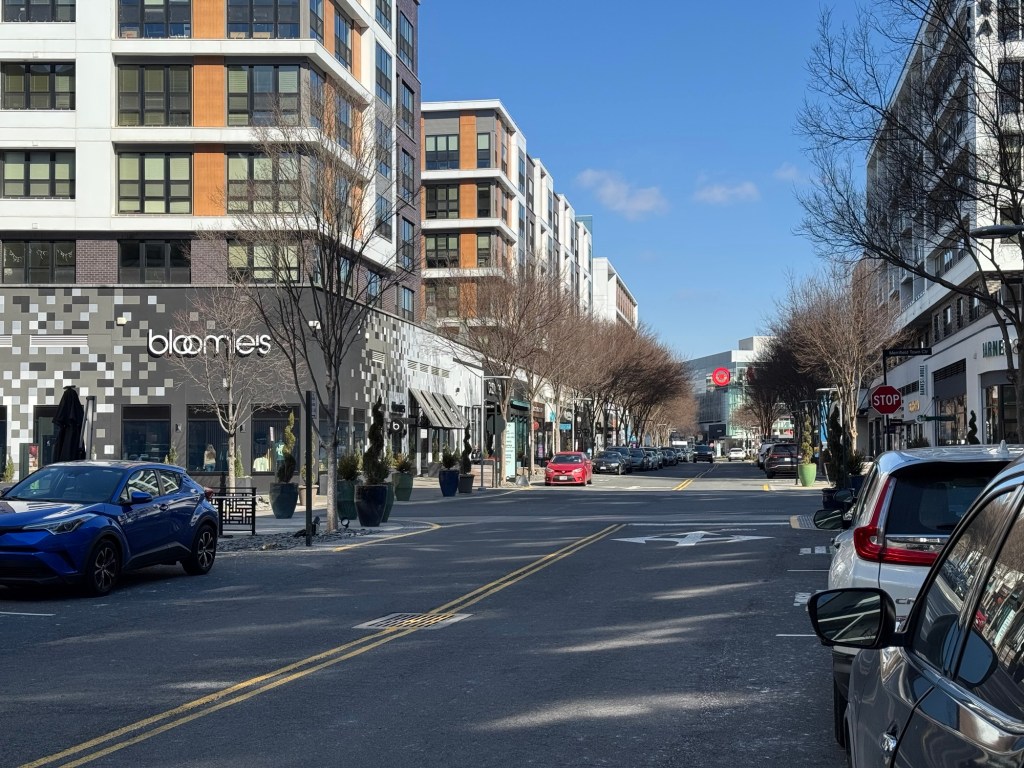
Developing urban sites is a powerful strategy for creating a more sustainable project. That being said, urban sites do have limitations. Urban sites are often cramped, making construction much more difficult, time-consuming, and expensive than on more expansive rural or suburban sites. This limited size, often necessitating building right up to the property line (zero lot line projects) makes it difficult for urban projects to provide open space, which in turn complicates sustainable rainwater management which often relies on vegetated areas for the absorption of precipitation. Urban buildings also contribute to and suffer from the urban heat island effect, which will increase the energy the building needs to cool itself. This may be compounded by solar heat gain, given the limited flexibility designers have for building orientation on tight urban sites – which can also conversely limit daylighting options. Finally, poor urban air quality may limit natural ventilation, forcing the building to rely on energy-intensive mechanical ventilation.
However, urban sites remain a powerful synergistic strategy for sustainable development. They utilize a resource, urban land, already tied into the utility, transportation, economic and social infrastructure needed to sustain a project, while protecting vulnerable rural and suburban greenfield land from development. They can catalyze the redevelopment of distressed urban areas, taking advantage of these areas’ rich history. Fundamentally, urban site development is a more efficient use of land than its alternatives, and thus more sustainable.
Thanks for reading! Please like this post if you enjoyed the content, comment if you have any questions, and consider subscribing to this blog for future posts.
 Green Synergies
Leave a comment