
Given the highly integrated nature of sustainable design, understanding the interrelation between different building systems is critical to a successful and efficient design process. Changes to one system (e.g. more glazing for increased daylighting) can negatively impact others (e.g. increased energy consumption because of increased cooling loads due to solar heat gain). Conversely, one strategy can have rippling positive effects. A synergistic strategy is a single technique or group of related techniques which have multiple positive benefits to other aspects of the building.
In this series of posts, I intend to explore both the positive and the negative synergies that designers need to be aware of when designing a sustainable building.
Reuse is the most effective way to reduce material waste and its environmental consequences. Recycling avoids the environmental costs of raw material extraction but is often energy intensive. Reused materials, by contrast, require minimal processing by comparison to new or recycled materials. This is as true of reused buildings as it is of reused clothing, furniture or cars.
Reusing buildings is a powerful synergistic strategy in the sustainable designer’s arsenal, and has several notable advantages:
- Preserving undeveloped land: by reusing part or all of an existing building on a previously developed site, a project preserves undeveloped land from development, which can preserve valuable resources like wildlife habitat and prime farmland soils. (Projects may be eligible for LTc: Sensitive Land Protection.)
- Revitalize historic buildings and neighborhoods: existing buildings often have rich histories which can lend character to a new project and connect it to the history of the area. New development in historic areas which have suffered from changing economic conditions puts existing but outmoded buildings and infrastructure to use (converting old industrial lofts into apartments, for example) and can revitalize struggling neighborhoods by bringing in new residents, retail and jobs. Redevelopment may also mitigate the contamination present on old brownfield industrial sites. (Projects may be eligible for LTc: High-Priority Site, LTc: Surrounding Density and Diverse Uses, MRc: Building Life-Cycle Impact Reduction.)
- Reduce raw material extraction and processing: reused buildings and building materials require no new material extraction and much less energy and resource intensive processing than new or even recycled materials. (Projects may be eligible for MRc: Building Life-Cycle Impact Reduction and MRc: Sourcing of Raw Materials.)
- Reduce construction waste: reusing an existing structure rather than demolishing it eliminates the construction waste generated by demolition. This waste may have ended up at a salvage store, a recycling plant or a landfill; regardless, by reusing what is already in place, projects eliminate the resources and energy necessary for recycling the materials or the environmental consequences of sending the materials to a landfill. If the entire building cannot be preserved, salvaging materials for reuse onsite is also beneficial. (Projects may be eligible for MRc: Construction and Demolition Waste Management.)
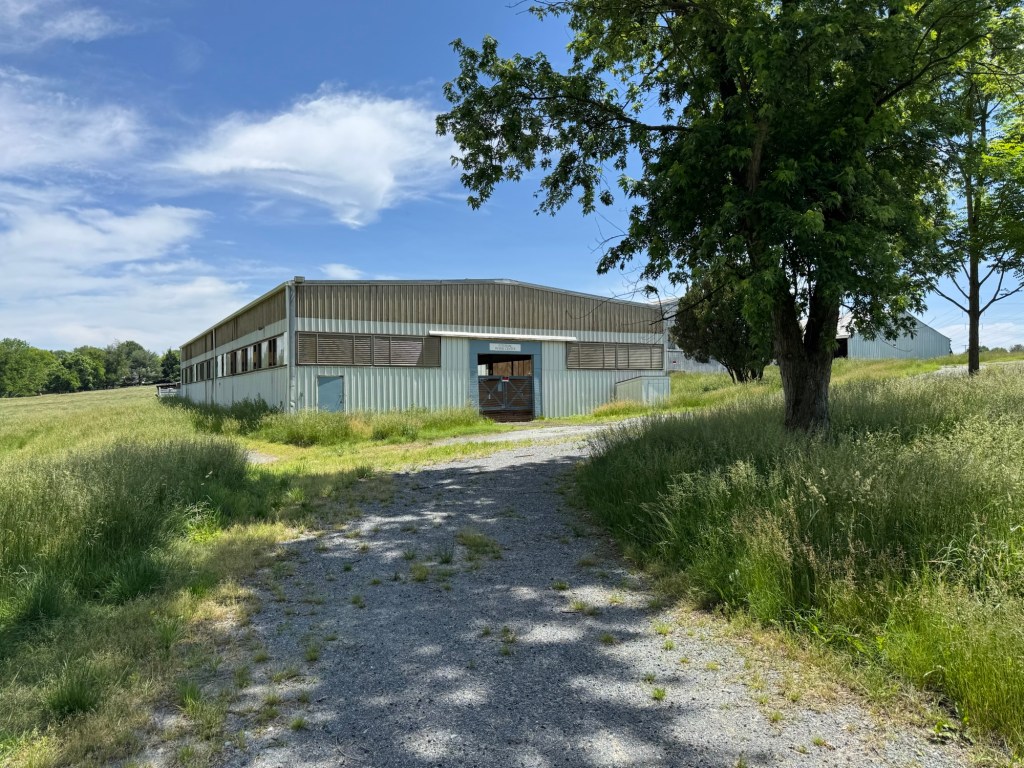
While reusing existing buildings is a powerful synergistic option for sustainable projects, the strategy can have downsides. Existing buildings create significant constraints on development, as well as opportunities. The building form itself may be difficult to adapt to modern needs (though historic buildings are often considered desirable), and the sites on which these buildings are located can be cramped and difficult to work on, though this can be true also of cleared sites. Existing structures can be unsafe, difficult or impossible to bring up to modern codes without destroying their historic character, and expensive to preserve, requiring extensive skilled labor. Contamination such as lead and asbestos is also present in many historic buildings and can be expensive to mitigate. Despite these disadvantages, the redevelopment of existing buildings remains a powerful strategy for sustainable designers looking to reduce material waste and revitalize communities.
Thanks for reading! Please like this post if you enjoyed the content, comment if you have any questions, and consider subscribing to this blog for future posts.
 Green Synergies
Leave a comment