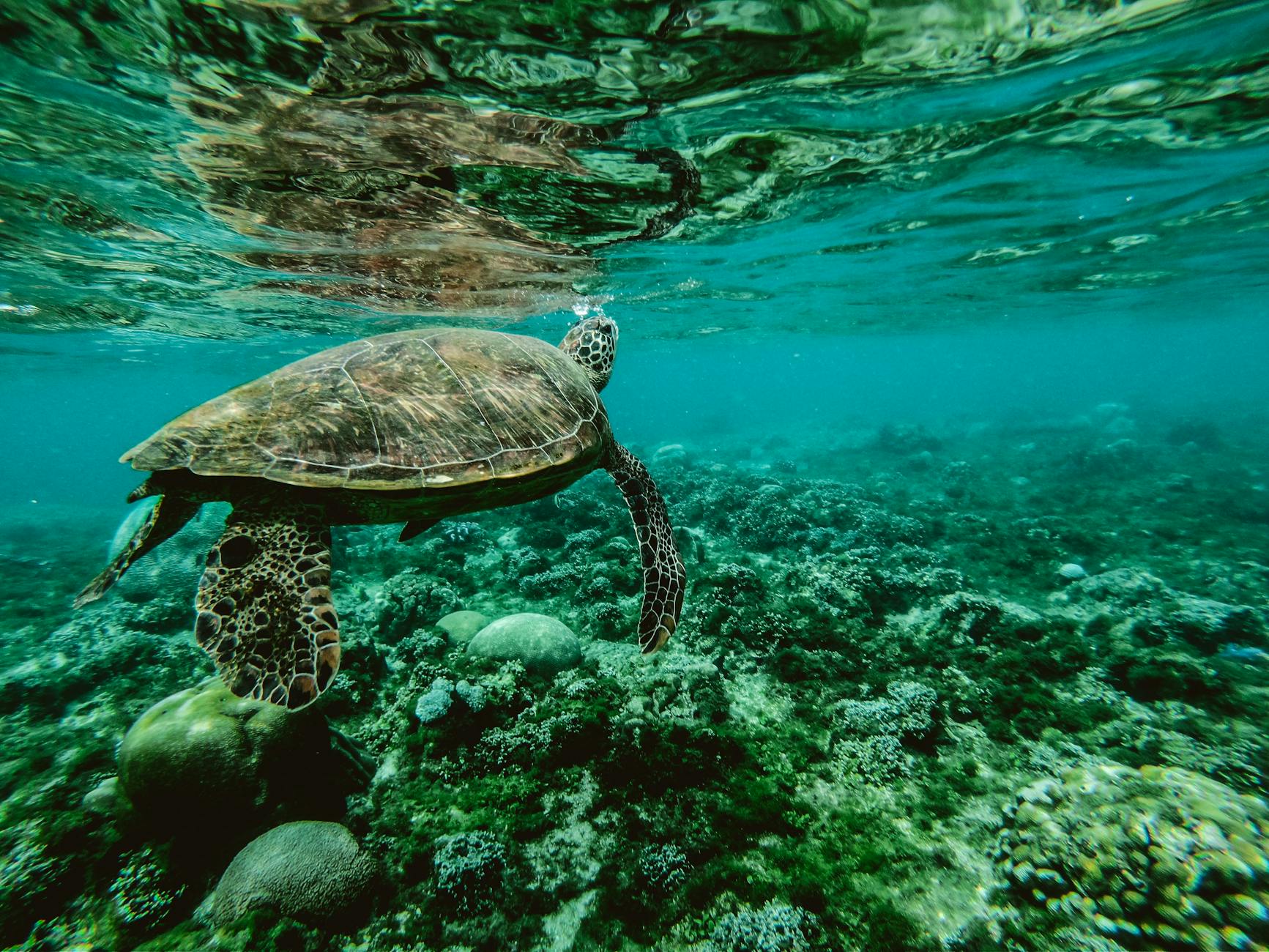
LEED v5 was developed around three impact areas: Decarbonization, Quality of Life, and Ecological Conservation and Restoration. In this post, I will address the effect of the third impact area on the new system.
Green building or sustainable design conveys an image of harmony between the artificial and the natural environment. Building green means at the very least that buildings should minimize their impact on their natural surroundings by strategies such as reducing the disturbance construction causes to the buildings site, avoiding the destruction of habitat, light pollution, contribution to the heat island effect and stormwater runoff, and supporting responsible material extraction and responsible disposal for construction materials, among other strategies. Ideally, a building project would be regenerative in its impact, giving back to the planet rather than merely refraining from environmental harm.
Since its inception, LEED has been well known for its focus on ecological conservation. Though green building and sustainability have come to mean more than environmentalism in recent years, increasingly encompassing human health and wellbeing as well as conserving the natural environment, LEED v5 still includes Ecological Conservation and Restoration as one of its three impact areas.
The new rating system is committed to preserving natural ecology by “emphasizing strategies that limit environmental degradation and contribute to the restoration of ecosystems, ensuring that our built environment exists harmoniously with nature,” according to USGBC.
Since decarbonization is a separate priority (though there is some overlap, such as in LTc3 Compact and Connected Development or SSc5 Heat Island Reduction), ecological conservation and restoration focuses on protecting natural habitats and resources, rather than reducing greenhouse gas emissions.
Credits that contribute to ecological conservation and restoration are spread throughout the credit categories (except for Energy and Atmosphere, which is all about decarbonization), but are logically centered in the Sustainable Sites category, in which all credits and prerequisites are focused on preserving the environment in some way.
You can find a PDF guide to LEED v5 for Building Design and Construction on USGBC’s website.
For further reference, here is a list of the prerequisites and credits informed by ecological considerations:
Prerequisites:
- IPp4 Tenant Guidelines (CS): requires that tenants understand and will follow the building’s sustainable intent, including ecological conservation.
- SSp1 Minimize Site Disturbance (NC/CS): requires minimizing site disturbance from construction and the preservation of existing ecosystems.
- WEp1 Water Metering and Reporting (NC/CS): requires water management to conserve potable water and identify water saving opportunities.
- WEp2 Minium Water Efficiency (NC/CS): requires reducing potable water use through efficiency measures to conserve a valuable resource.
- MRp1 Planning for Zero Waste Operations (NC/CS): requires planning to reduce building waste and its environmental impacts.
- EQp3 No Smoking or Vehicle Idling (NC/CS): requires the prohibition of smoking in most areas and vehicle idling onsite to protect air quality.
Credits:
- IPc1 Integrative Design Process (NC/CS): rewards a holistic approach to design to maximize sustainable synergies.
- IPc2 Green Leases (CS): rewards tenant lease agreements that require compliance with sustainable objectives.
- LTc1 Sensitive Land Protection (NC/CS): rewards the conservation of environmentally sensitive land and the preservation of critical ecosystem services.
- LTc3 Compact and Connected Development (NC/CS): rewards development that reduce ecological destruction due to sprawl.
- SSc1 Biodiverse Habitat (NC/CS)
- SSc2 Accessible Outdoor Space (NC/CS): rewards the creation of outdoor open space that encourages interaction with and deeper appreciation of the environment.
- SSc3 Rainwater Management (NC/CS): rewards the reduction of silt and pollution from site runoff and the replenishment of natural aquifers through infiltration.
- SSc4 Enhanced Resilient Site Design (NC/CS): rewards projects that are designed to reduce the impact of natural hazards on building sites.
- SSc5 Heat Island Reduction (NC/CS): rewards projects that reduce the local heat island and thus the adverse effects of extreme heat on the natural environment.
- SSc6 Light Pollution Reduction (NC/CS): rewards the protection of nocturnal species disturbed by light pollution.
- WEc1 Water Metering and Leak Detection (NC/CS): rewards projects that monitor water usage to prevent water damage and resource waste.
- WEc2 Enhanced Water Efficiency (NC/CS): rewards the conservation of potable water through increased efficiency and use of non-potable sources.
- MRc1 Building and Materials Reuse (NC/CS): rewards the reuse of building materials and the reduction of environmentally harmful materials extraction.
- MRc4 Building Product Selection and Procurement (NC/CS): rewards projects that select products with transparent materials and manufacturing information that discloses environmental impacts.
- MRc5 Construction and Demolition Waste Diversion (NC/CS): rewards the reduction of landfill or incinerator-bound construction waste.
Thanks for reading! Please like this post if you enjoyed the content, comment if you have any questions, and consider subscribing to this blog for future posts.
 Green Synergies
Leave a comment