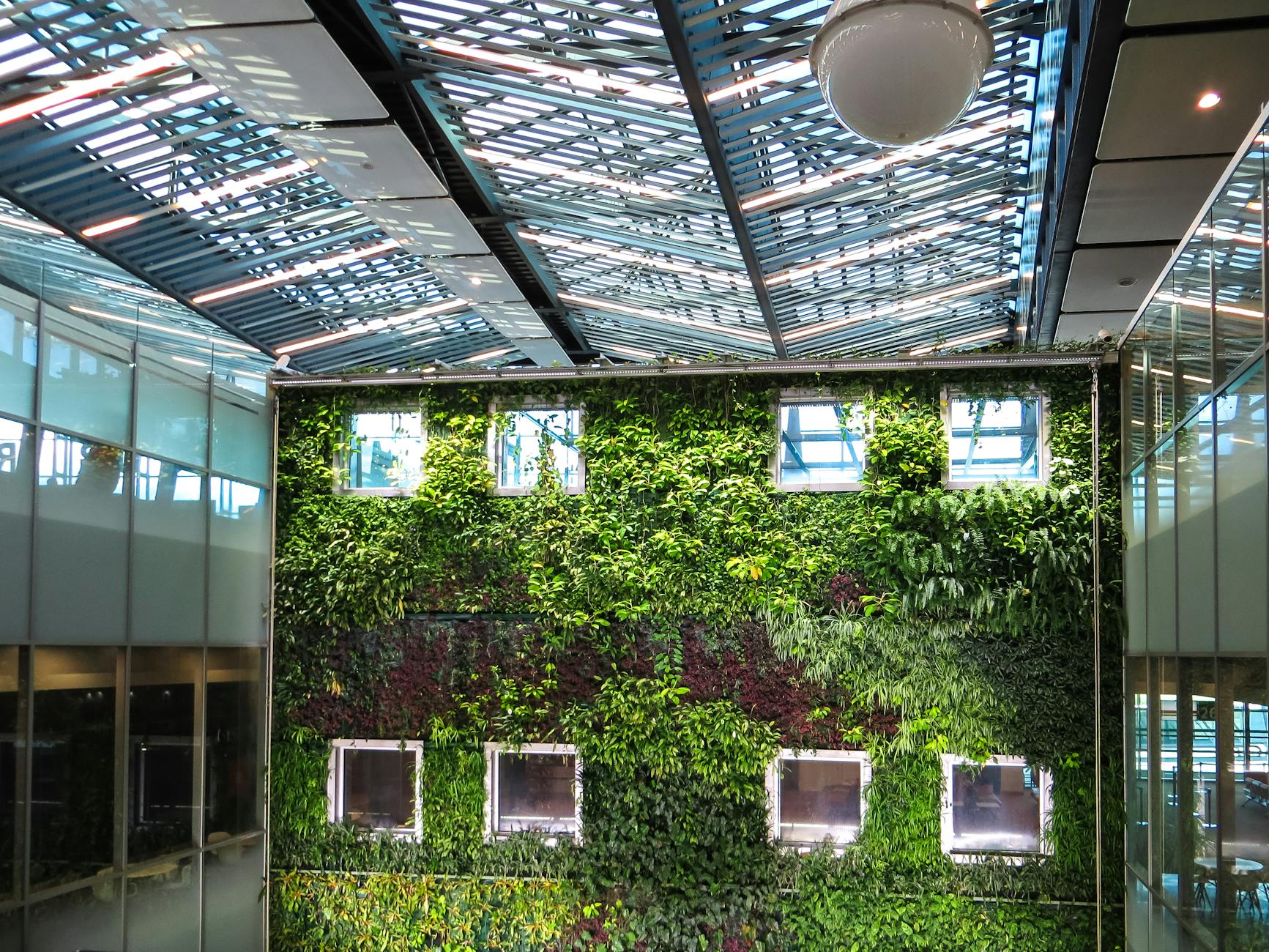
LEED (Leadership in Energy and Environmental Design) is the best-known sustainable rating system, fast becoming a standard for high-profile buildings. But LEED has its competitors. Some, such as Passive House, SITES or WELL, focus on a small range of factors such as energy efficiency, eco-friendly site development or building occupant health and well-being. But others compete directly with LEED by offering a holistic approach to judging the sustainability of buildings. One of these holistic systems is the Living Building Challenge.
Concept
The Living Building Challenge is an ambitious program that advertises itself as a “a philosophy first, an advocacy tool second, and a certification program third.” It is an international sustainable building certification program that aims to create regenerative buildings that have a positive impact on the environment through a holistic and performance-based approach that addresses projects ranging from buildings and renovations to parks and infrastructure. This broad focus positions the Living Building Challenge to encompass a larger range of projects than LEED, which is focused on buildings.
Background
The Living Building Challenge evolved from 2004 article “The Living Building”, written by Jason F. McLennan and Bob Berkebile of the architecture firm BNIM. The article criticized the current model of buildings as machines and advocated a model of buildings which adapt to their environment.
McLennan brought the concept to the Cascadia Green Building Council, a chapter of USGBC and Canadian Green Building Council, when he became CEO of Cascadia in 2006. The Living Building Challenge was unveiled by Cascadia at the sustainable design conference Greenbuild later that year.
Since 2006, the Living Building Challenge has gone through seven versions, the most recent of which is LBC 4.1. The system is now developed by the International Living Future Institute (ILFI), a non-profit organization dedicated to advocating for sustainable and regenerative design. In addition to LBC, ILFI also offers the Zero Energy Certification (ZE), Zero Carbon Certification (ZC), Living Product Challenge, and Living Community Challenge, among other programs. There are more than 800 programs certified or registered with ILFI programs, comprising over 55 million square feet.
Structure
The Living Building Challenge evaluates projects according to twenty “profound imperatives” contained within seven “petals”, each representing a critical aspect of sustainability:
- Place focuses on restoring a healthy relationship with nature through reconnecting the built environment with the ecology of place and promoting smart development.
- Water focuses on creating a healthy water balance, configuring development to the water capacity of the site, reusing wastewater and respecting natural hydrology.
- Energy promotes renewable energy sources and energy efficiency to encourage a resilient and decentralized energy infrastructure and to resist climate change.
- Materials prioritizes the use of non-toxic, sustainable materials that preserve resources and reduce pollution.
- Equity aims to foster a just and inclusive community that allows a diverse range of occupants to thrive.
- Health and Happiness supports the creation of healthy and inspiring indoor environments that connect people to nature to increase productivity, creativity and well-being.
- Beauty encourages aesthetic excellence and biophilic design.
Unlike LEED, the Living Building Challenge does not have a points system. However, projects can pursue three certification options:
- Living Certification is the highest level, requiring a project to achieve all Imperatives assigned to its typology (for New Buildings, this means all 20).
- Core Certification lays a foundation for sustainable buildings and requires 10 Imperatives to be achieved.
- Petal Certification requires a project to achieve all 10 Core Imperatives, in addition to all Imperatives in the Water, Energy or Materials Petals.
To achieve Living Building Challenge certification, a building must meet rigorous performance standards for energy and water efficiency over a period of 12 consecutive months.
Conclusion
The Living Building Challenge offers a robust alternative to LEED which encompasses a broader range of project types and seeks to be a singular solution to sustainable certification. Its emphasis on regenerative design positions it to be a valuable addition to the green building landscape going forward.
Learn more on the Living Future website.
Thanks for reading! Please like this post if you enjoyed the content, comment if you have any questions, and consider subscribing to this blog for future posts.
 Green Synergies
Leave a comment