
Buildings account for approximately 40% of all energy and 74% of all electricity consumed annually in the United States. While this significant consumption isn’t surprising given buildings’ centrality to our lives, it highlights the urgent need for more energy-efficient design and operation, especially since most of this energy comes from fossil fuels. Energy efficiency is a cornerstone of sustainable design, but what does this practically entail for projects seeking LEED v5 certification?
LEED v5 points the way towards an energy efficient and decarbonized future by raising the bar for projects seeking the highest level of LEED certification, LEED Platinum. To achieve LEED Platinum, projects must achieve four otherwise optional decarbonization-related credits:
- EAc1: Electrification requires the project to eliminate on-site combustion to achieve maximum points.
- EAc3: Enhanced Energy Efficiency requires projects to achieve 8 points (New Construction) or 5 points (Core and Shell), requiring a 24% energy reduction from baseline.
- EAc4: Renewable Energy requires that 100% of site energy comes from renewable energy sources, either on- or off-site.
- MRc2: Reduce Embodied Carbon requires a 20% reduction in the project’s embodied carbon from a “business as usual” baseline.
This blog has already covered EAc1; now, in this post, we’ll dive into EAc3: Enhanced Energy Efficiency to understand both what project teams need to do for credit compliance, and how these requirements effect design.
Credit Overview
EAc3: Enhanced Energy Efficiency is a reworking of LEED v4’s Optimize Energy Efficiency credit. Like the old credit, the new credit’s intent is to encourage projects that minimize energy use to reduce environmental degradation and especially greenhouse gas emissions. The credit expands on the mandatory prerequisite EAp2: Minimum Energy Efficiency, which sets a baseline for building energy performance adjusted for building type and climate zone.
LEED v5’s credits and prerequisites are built on three impact areas: decarbonization, quality of life, and environmental conservation and restoration. EAc3: Enhanced Energy Efficiency supports the decarbonization impact area through reducing project’s reliance on fossil fuels.
Enhanced Energy Efficiency provides 1-10 points. The average points available for a LEED v5 credit is about 3, so this credit is very high value, reflecting its importance in the new system – though achieving all 10 points is challenging.
Credit Details
(For more details, check out USGBC’s website for more information on LEED v5, and the LEED v5 credit library’s entry on EAc3.)
EAc3 references ANSI/ASHRAE/IES Standard 90.1: Energy Standard for Buildings Except Low-Rise Residential Buildings, an energy efficiency standard published by the American Society of Heating, Refrigerating and Air-Conditioning Engineers (ASHRAE), which provides minimum requirements for energy efficient buildings. ASHRAE 90.1 offers both a prescriptive and performative path for compliance: ASHRAE prescriptive requirements include requirements for the building envelope (insulation, reflectance, glazing), HVAC systems, domestic hot water, power, lighting and other equipment. On the other hand, the performance path establishes a baseline building with which the project’s energy performance is compared.
The credit offers project teams two options for compliance, paralleling the arrangement of ASHRAE 90.1. Option 1 is a prescriptive option with multiple sub-options; Option 2 is a performative option requiring a percentage reduction in energy use from the ASHRAE base building, proved by an energy simulation. Both options offer the potential of achieving all 10 points:
- Option 1: Prescriptive Path (1-10 pts):
- Path 1: Regulated Loads (1-7 pts):
- Case 1: ASHRAE 90.1-2019 (1-5 pts): requires compliance with Sections 5-11 of this older energy efficiency standard.
- Or Case 2: ASHRAE 90.1-2022 (4-7 pts): requires compliance with Sections 5-11 of this newer standard.
- And/or Path 2: Plug and Process Loads (1-4 pts):
- Case 1: Plug Load Management (1 pt): requires closer control of plug loads such as IT equipment.
- And/or Case 2: Efficient Plug and Process Load Equipment (1-4 pts): requires installing more efficient equipment meeting requirements such as ENERGY STAR®.
- Or Case 3: Plug and Process Load Exceptional Calculation (1-4 pts): demonstrate a minimum percentage improvement in energy use for certain equipment using ASHRAE 90.1.
- Path 1: Regulated Loads (1-7 pts):
- Option 2: Energy Simulation (1-10 pts):
- Projects must demonstrate an improvement in future source energy calculated per ASHRAE 90.1 Appendix G’s Performance Rating Method, with certain other requirements for energy simulation assumptions.
- Points are awarded based on the demonstrated percentage reduction in energy use, both with and without the use of renewable energy.
- To achieve 10 points, projects must reduce energy use by 30% without or 100% with renewable energy included.
- To achieve the 8 points required for Platinum certification, projects must reduce energy use by 24% without or 80% with renewable energy included.
Design Strategies
Achieving points through Option 1’s various paths requires projects to comply with specific prescriptive requirements from ASHRAE 90.1 for minimum insulation, reflectance, equipment efficiency and other measures. Project teams aiming for LEED certification will have to carefully abide by these requirements.
For teams pursuing Option 2: Energy Simulation, any strategy may be pursued if it achieves the required percentage reduction from the building’s ASHRAE 90.1 Appendix G baseline.
How can project teams achieve these reductions? Broadly speaking, energy efficiency strategies fall into five categories:
- Building orientation: building position relative to the sun and wind.
- Building envelope: insulation, reflectance, airtightness of walls and roof.
- Building systems: energy efficiency of mechanical, plumbing and electrical systems.
- Building operations: usage patterns such as turning off lights in unused rooms.
- Renewable energy: non-fossil fuel sources of energy like solar or wind, preferably located onsite or close by.
Building Orientation
Buildings, especially skin-load-dominated buildings (buildings with a large proportion of envelope area to volume), are prone to gain or lose heat due to environmental factors, primarily sunlight and wind. Designers can improve energy efficiency by taking this into account both in how they position a building on its site and how they design the building’s enclosure.
Solar heat gain may be either desirable or not desirable depending on climate and season, but it is something designers should control. The easiest way to do this is to orient the building correctly, usually to minimize its exposure to intense eastern or western light and maximize indirect light from the north and south. Shading with structures, parts of the building or site elements such as trees also helps to reduce unwanted solar heat gain.
Wind can also play a role in energy efficiency by conveying heat away from a building, which may be either a good thing (hot, humid tropical climates) or a bad thing (cold climates). The shape and orientation of the building and the use of site elements such as trees to provide windbreaks can help improve the building’s energy efficiency.
Building Envelope
Designers do not always have a say in how to orient their buildings, especially on tight urban sites or when other concerns dominate building placement. However, they typically have greater control over the design of the building’s envelope: its roof, walls and foundation. The primary concern here is unregulated heat movement (gain or loss) through the envelope, which causes more work for mechanical systems trying to remove or create heat.
Heat moves through the building envelope in three ways: conduction, convection and radiation. Conduction is countered by insulation, thermal mass and the reduction of thermal bridging (conductive pathways that bypass insulation). Convection is countered by making the building envelope nearly airtight to reduce heat movement through air currents. Radiation is countered by reflectance, such as using reflective roofs or windows with low emissivity.
Daylighting is also a strategy that can reduce energy use by lighting spaces with natural light rather than consuming electricity and generating heat with artificial lighting. However, daylighting must be carefully controlled to minimize solar heat gain in hot climates.
Building Systems
The choice of heating and cooling systems that consume less energy and lighting, IT and other systems that generate less heat can dramatically reduce the energy a building uses to heat or cool itself and help projects to achieve the dramatic energy use reductions necessary to gain points under EAc3.

Building Operations
Design and construction go a long way towards building efficiency but if a building is not efficiently operated many of these choices will achieve poor results.
The first step to operating a building efficiently is to check that it works as designed. Commissioning is the process of verifying that a building’s systems, assemblies, equipment and envelope perform according to the owner’s requirements. A commissioning authority, a professional expert in building systems, will test the building’s systems after they are installed and may then conduct ongoing commissioning activities throughout the building’s life. This process will detect deficiencies and may point to operational changes that can improve efficiency.
In addition to one-time or periodic commissioning, good maintenance (such as replacing HVAC filters) and monitoring energy use using energy meters can keep well-designed systems operating efficiently.
Beyond building hardware, building users also play a role in energy efficiency. Even something as simple as turning off the lights in an unused room (or installing motion detectors to do so automatically) saves electricity and reduces heat generated uselessly by light fixtures. Scheduling activities to occur in parts of the building that, due to their orientation, require less heating, air-conditioning or lighting (such as breakfasting in an east-facing room) is another example. These patterns may be suggested and supported by design but their implementation is a matter of good facility management.

Renewable Energy
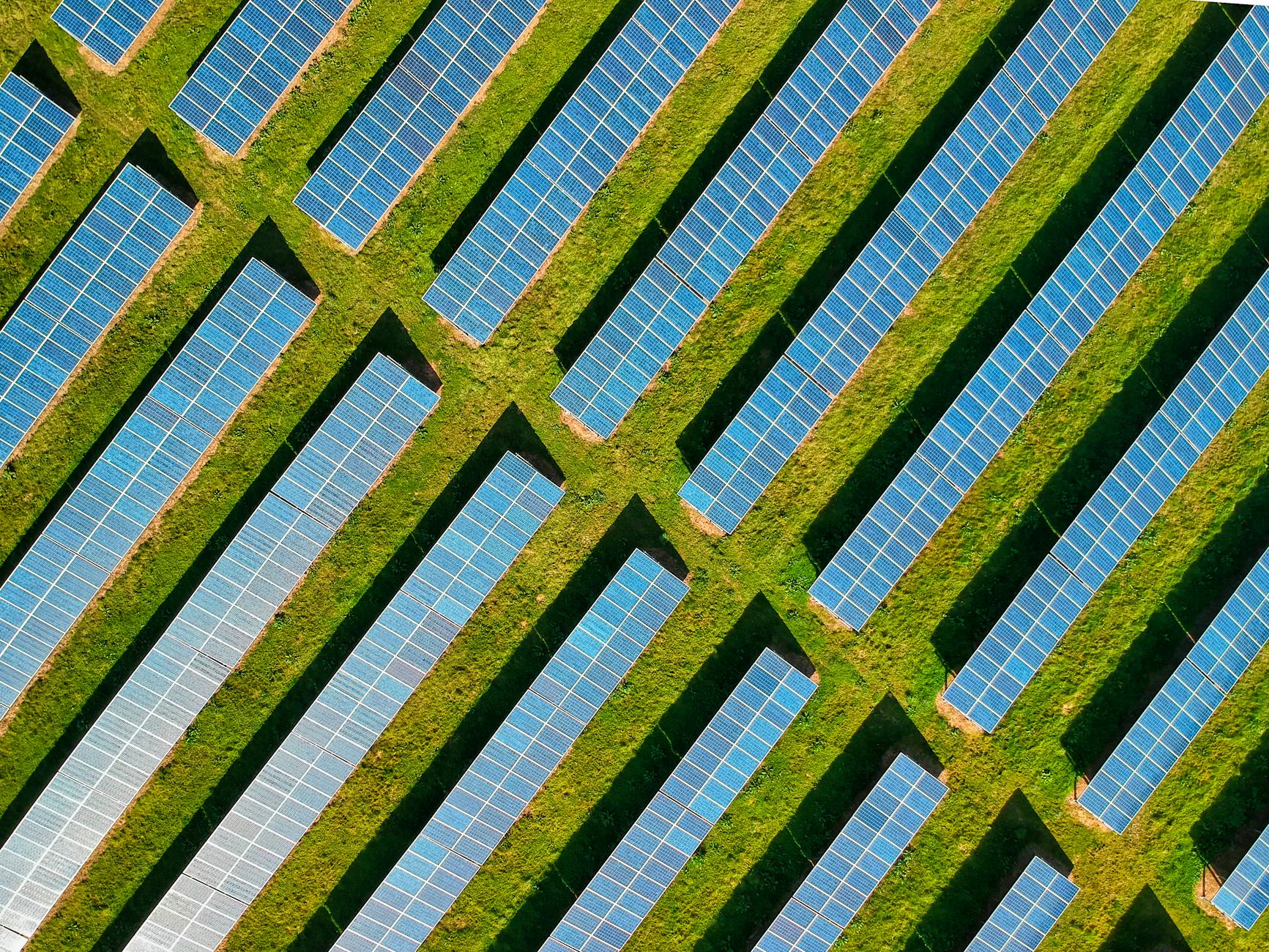
Projects can comply with EAc3 through efficiency alone, but they also have the option to use on-site renewable energy sources. Whether onsite or not, the use of renewable energy sources is a powerful way to reduce a building’s use of environmentally degrading fossil fuels. Many buildings can benefit from the incorporation of photovoltaic panels for solar electricity generation, and other strategies such as wind turbines are available in some cases.
Synergies with Other Credits
LEED is an interwoven system of mutually supporting credits, and sustainable design relies on synergies between different approaches and systems to produce the best results. Compliance with EAc3: Enhanced Energy Efficiency supports compliance with the following credits and prerequisites, creating useful synergies:
- SSc4: Enhanced Resilient Site Design: meeting the requirements for resilience against extreme heat overlaps with good energy efficiency design practices like using reflective materials and shading the building.
- SSc5: Heat Island Reduction: the use of reflective surfaces, vegetation, shading to reduce heat gain also reduces the heat island effect.
- EAp2: Minimum Energy Efficiency: meeting the requirements of EAc3 means projects also meet energy efficiency prerequisite requirements.
- EAc2: Reduce Peak Thermal Loads: reducing air infiltration, using energy recovery and eliminating thermal bridging as required by this credit improve energy efficiency.
- EAc4: Renewable Energy: both EAc3 and EAc4 encourage the use of renewable energy sources.
- EQc2: Occupant Experience: daylighting can improve energy efficiency through reducing electricity consumption while also improving occupant experience.
- EQc4: Resilient Spaces: protecting the thermal safety of occupants during a power outage during peak summer or winter requires an efficient building envelope capable of maintaining a steady internal environment.
Conclusion
Improving the energy efficiency of buildings is a key component of sustainable design since energy is generated from precious and often non-renewable resources and the extraction and use of those resources can be environmentally degrading. While we can dream of cold fusion and other guilt-free clean sources of energy to power our future, decreasing the amount of energy our buildings use now will reduce the harmful impacts of energy generation and use. Ultimately, we should aim for net-zero buildings that use no more energy than they produce.
Thanks for reading! Please like this post if you enjoyed the content, comment if you have any questions, and consider subscribing to this blog for future posts.

 Green Synergies
Leave a comment