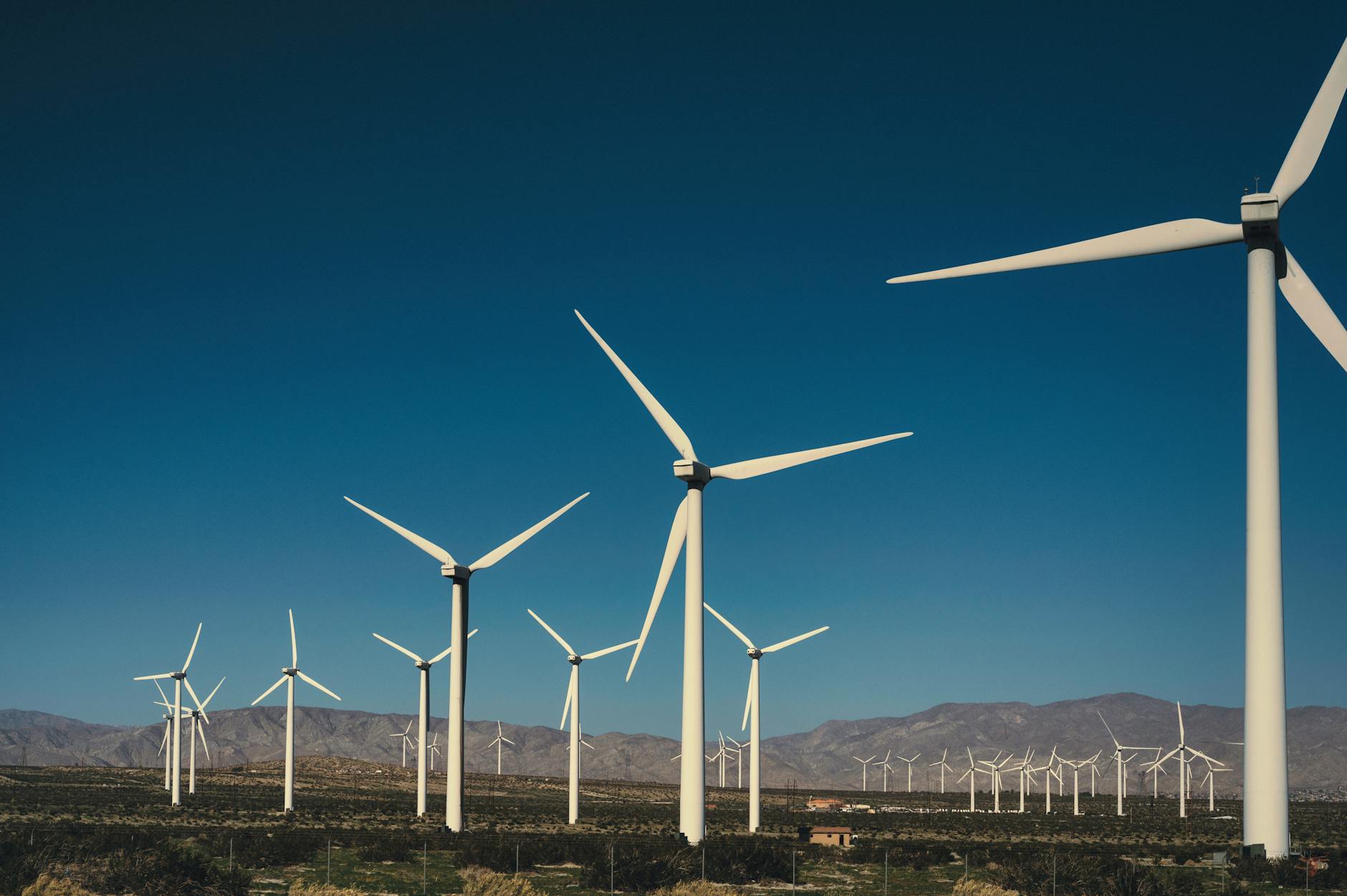
Renewable energy plays an essential role in sustainable construction and development by reducing dependence on fossil fuels, which are not only finite but also present geopolitical challenges and significantly contribute to global warming. Sources such as solar, wind, and hydropower can substantially decarbonize the power grid, and enable some building projects to achieve net zero energy consumption through on-site generation.
While LEED is an efficiency-first rating system, encouraging projects to reduce energy use through increased efficiency before using renewables for additional points, the system strongly encourages the use of renewable energy. LEED v5’s EAc4: Renewable Energy credit is worth up to five points and is a critical requirement for projects seeking LEED Platinum
This blog has covered two other Platinum requirements, EAc1 and EAc3; now, in this post, we’ll dive into EAc4: Renewable Energy to understand both what project teams need to do for credit compliance, and how these requirements effect design.

Credit Overview
The Renewable Energy credit forms a coherent continuation of EAc1: Electrification and EAc3: Enhanced Energy Efficiency. After a project avoids combustion and fully electrifies (EAc1) and then takes efficiency measures to reduce the electricity it requires (EAc3), further decarbonization requires reducing the project’s remaining fossil fuel dependence by 100% of site energy with renewable energy sources. The overall goal is to reduce the amount of fossil fuels used to power the building as much as possible.
The credit requires that between 5% and 100% of site energy derives from renewable sources, depending on the type of renewable source used and the points desired. Site energy is the energy consumed by the building as measured by building energy meters, as opposed to source energy, which is the total amount of raw fuel used to produce site energy, including all transmission and production losses.
Site energy is an incomplete method for evaluating building energy use since it fails to consider the total energy resources a building consumes in its operations. However, EAc4 focuses on electricity generation method rather than raw fuel used for generation, rewarding the use of renewable sources like solar and wind rather than non-renewable source like natural gas, even if natural gas source energy is often lower than electrical sources. The credit rewards project teams for increasing the portion of their project’s power that comes from renewables over the portion that comes from something else. This is the logic for using site rather than source energy in EAc4.
Credit Details
The credit divides renewable energy into three categories: Tier 1, Tier 2 and Tier 3. Tier 1 means renewable energy generated on the project site; Tier 2 is recently installed off-site renewable energy; and Tier 3 is older off-site renewable energy. The rationale for this division is to encourage the installation of new renewable energy generation capacity.
Tier 1 includes energy produced on the project site, on the campus on which the project is located, or on the site of an eligible social impact project. Only usable energy (energy generated minus transmission and other losses) counts for Tier 1 energy. Eligible power sources for Tier 1 include:
- Solar electric (photovoltaic)
- Solar thermal (i.e., for service water heating or hot water heating)
- Wind
- Recovered heat from municipal wastewater
As an alternative to installing renewables on their own project site, owners may instead opt to install renewables on the site of a social impact project and reap the same Tier 1 benefits. A social impact project provides housing and/or community services to historically marginalized communities. Renewable systems must be installed and run with no financial burden to the social impact project, and social impact project must retain full rights to the energy generated and any financial benefits (selling back to utilities) from the renewable energy system.
Projects do not have to source their electricity exclusively from their own renewables, they can trade excess energy with the utilities during periods of overproduction then buy electricity from the grid during periods of underproduction, a practice called “net-metering”.
The age of off-site renewable energy generation marks the key difference between Tier 2 and Tier 3 sources. Tier 2 energy is produced off-site from sources that are contracted to be operational within two years of building occupancy or from generators with a commercial operations date no more than five years before the execution of the power purchase contract; Tier 3 comes from energy produced off-site from older renewable sources. Both tiers require energy producers to be Green-e® Energy certified or using equivalent certification and using Green-e® Energy certified or equivalent fuels.
Eligible off-site power sources include:
- Solar electric (Photovoltaics)
- Wind
- Geothermal energy (electricity or heat generated from subterranean steam or hot water)
- Ocean-based energy (such as wave or tidal energy conversion or ocean thermal)
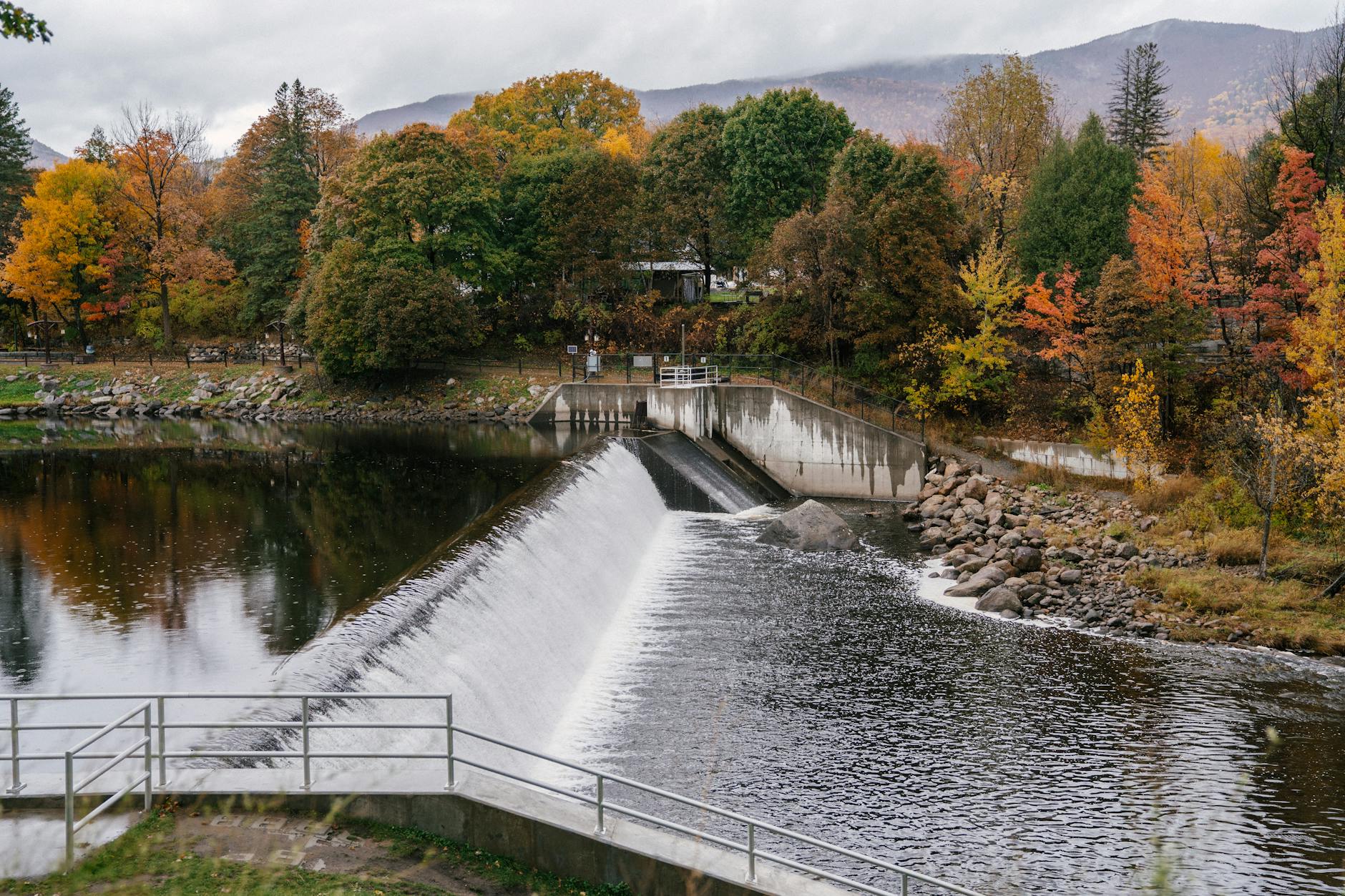
- Low-impact hydropower
- Biomass production
While nearly all solar, wind and geothermal systems meet Green-e criteria, many tidal, hydropower and biomass systems do not, so project teams must verify that the project’s renewable electricity generation sources meet the Green-e® Framework for Renewable Energy Certification criteria.
Notably, geoexchange systems (ground-source heat pumps) are not considered a renewable energy system since they provide cooling using vapor compression powered by electricity that may come from any source. While sometimes called “geothermal” systems, they should not be confused with true geothermal systems that derive heat energy from naturally occurring subterranean hot water or steam.
Projects can earn from 1-5 points from EAc4; however, for full points projects must generate 100% of site energy from Tier 1 and/or Tier 2 sources – in other words, from on-site renewables or new off-site renewables. This encourages the creation of new renewable energy generation to meet demand.
Renewable energy generation on-site will always be preferable from a material efficiency perspective because transmission losses over distance make off-site systems less efficient, requiring more source energy generation capacity to provide equivalent site energy to an on-site system.
Core and shell projects have a second compliance option, Renewable Energy Readiness, for one point. This requires documenting renewable energy readiness features in the project’s design and instructing tenants how to leverage this readiness. Readiness features include designating 40% of the roof for solar in an optimal zone away from trees or taller buildings, proving that the roof warranty is not affected by mounting PV panels, and ensuring that the electrical system has sufficient capacity for solar.
Synergies With Other Credits
EAc4 Renewable Energy has synergies with:
- EAc3 Enhanced Energy Efficiency: projects can use renewable energy to earn 1-10 points by generating 10-100% of site energy from on-site renewables (Option 2, Path 2).
- EAc6 Grid Interactive: projects can earn points by building energy storage systems which can be used to store energy overproduction from solar or wind energy, reducing demand on the grid and leading to greater project energy independence.
Conclusion
Renewable energy sources are a key part of sustainable building and development that offer the potential for greater project resilience and a reduction in global warming causing greenhouse gas emissions from non-renewable fossil fuels. LEED v5’s Renewable Energy credit gives project owners a way to measure their project’s contribution to a sustainable future.
 Green Synergies
Leave a comment