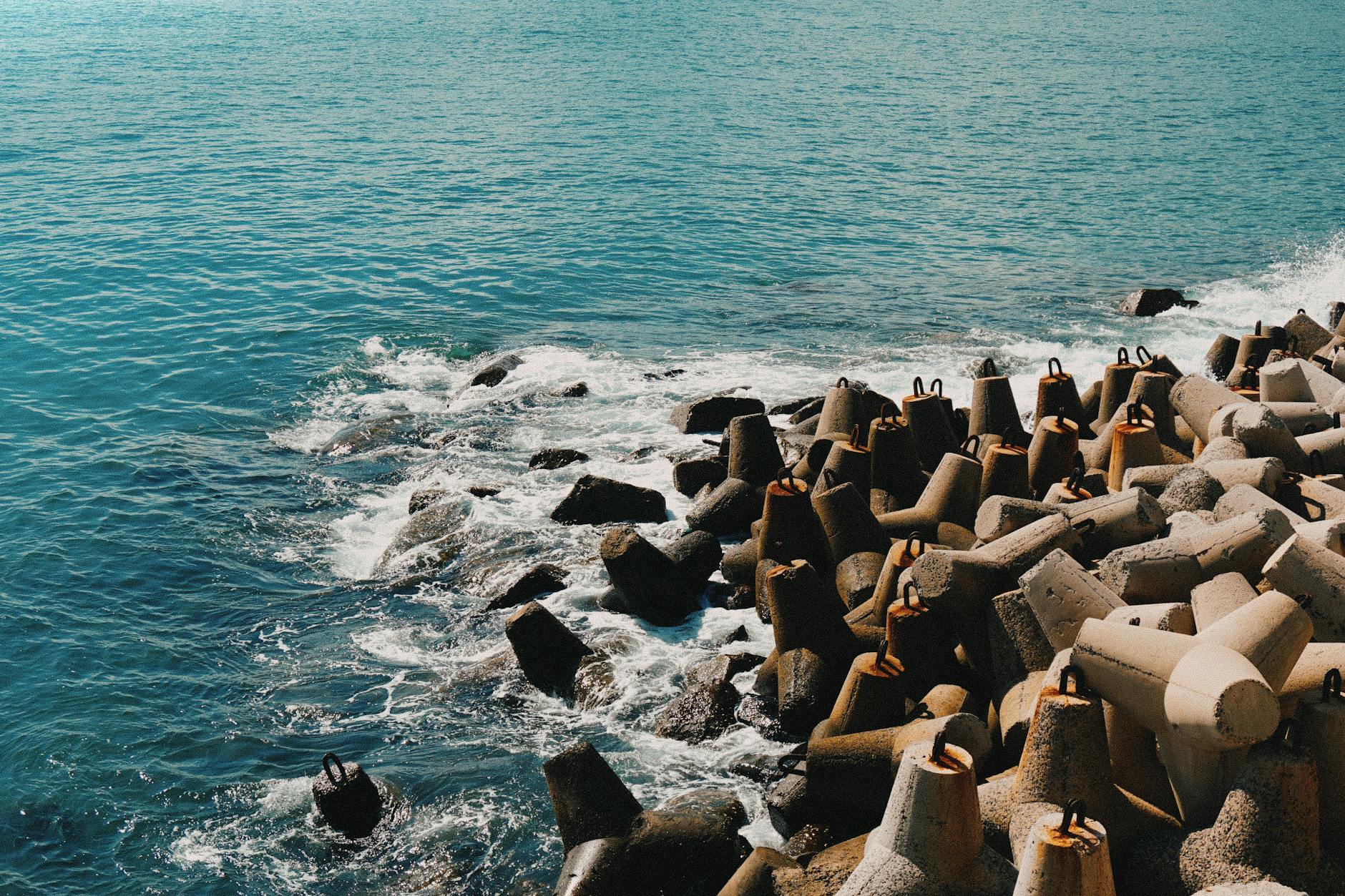
Following the completion of a Climate Resilience Assessment, the project team can choose to comply with the requirements of the Sustainable Sites credit, Enhanced Resilient Site Design, which rewards projects with up to two points.
The credit’s intent is to “reduce the risk of catastrophic impacts from natural and climate events on-site and in adjacent landscapes by designing, building, and maintaining sites to be more resilient to observed, projected, and future climate and natural hazards”. In other words, to make good on the promise of the Climate Resilience Assessment by designing and constructing the site and its structures to meet prescribed best practices for at least two of the hazards identified in the prerequisite.
I have already discussed the requirements for wildfire resilience in this credit at length in a previous post. In addition to wildfires, however, the credit also encourages resilience against drought, extreme heat, flooding, hail, hurricanes and high winds, sea level rise, tsunami and/or winter storms.
Drought
Drought requirements affect the building site; their intention seems to be to reduce outdoor potable water use. To get credit for drought resilience, a project must comply with the Water Efficiency credit Outdoor Water Use Reduction and makeup water for water features must comply with SITES C3.4 or a local equivalent. (This requirement is another example of the increasingly close interrelation between LEED and SITES in v5.) The SITES credit requires (in addition to reducing outdoor water use for irrigation) that outdoor water features, at minimum:
- Use 50% annual make-up water from non-potable sources (if the water feature requires more than 10,000 gallons of potable water annually). For maximum points, the credit requires 100% of annual make-up water from non-potable sources.
- Avoid the use of chemicals like chlorine and bromine and ensure a mosquito habitat is not created.
Drought resilience can best be achieved through xeriscaping, or the use of native and/or drought-tolerant plants which will require little water in times of low rainfall. The Outdoor Water Use Reduction credit also allows reduction of potable water use in irrigation through irrigation system efficiency, alternative water sources and smart scheduling technologies.
Extreme Heat
Protection from extreme heat requires the project to combine two or more of the following:
- Shaded external spaces adjacent to the building
- Evaporative cooling solutions (fountains, misters)
- Building orientation and massing to self-shade in summer or extreme heat conditions
- Outdoor cooling stations with emergency power
- Proximity to an emergency cooling station within ¼ mile
- Use paving materials with an SR value of .33 or more (to reduce the local heat island effect)
- Use an open-grid paving system that is at least 50% unbound
Overall, the intention is to provide shade, emergency cooling and/or reflective surfaces that reduce the local heat island effect on site.
Flooding
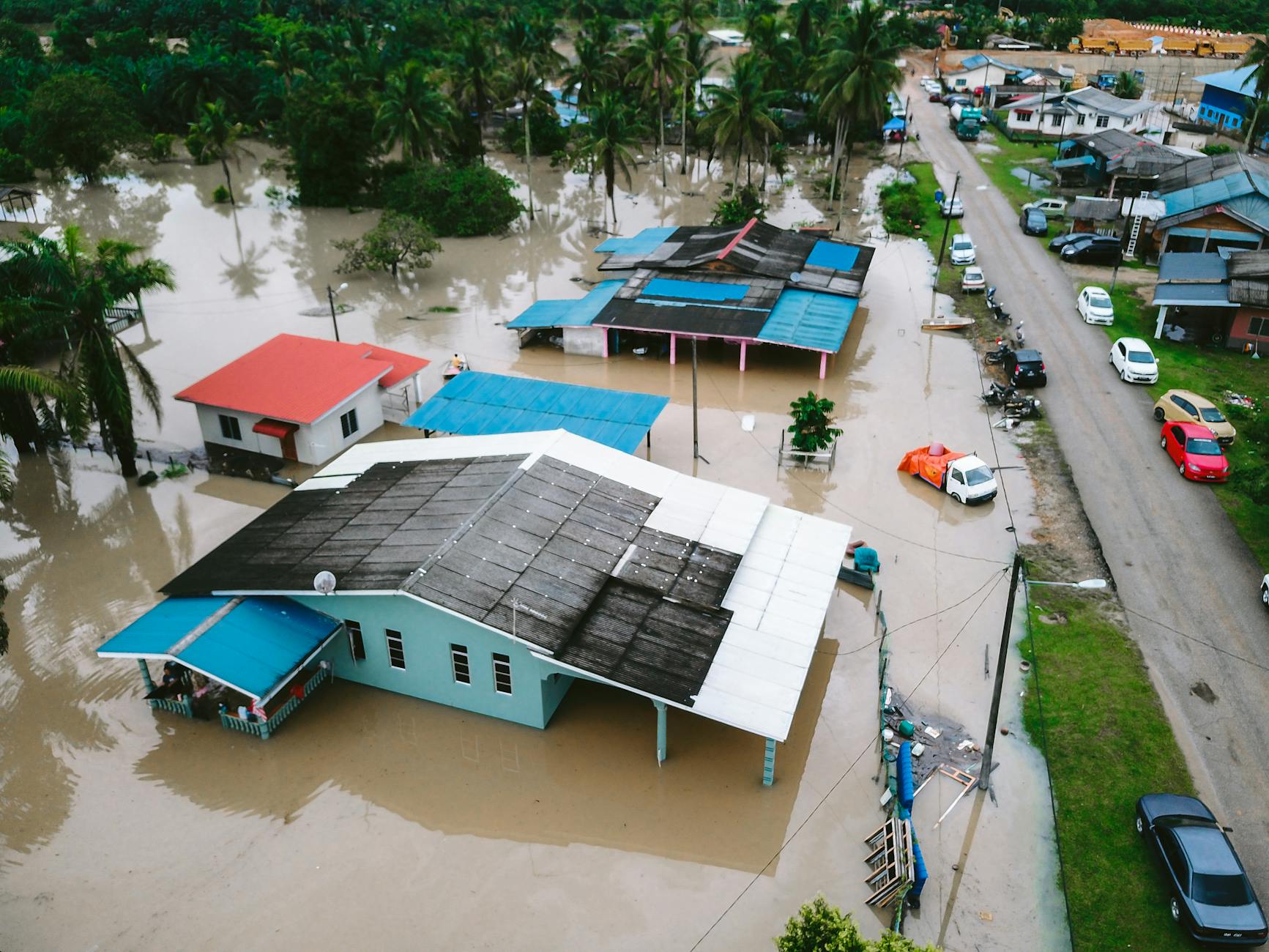
Flooding resilience requires various measures to protect critical utilities (water, sewage, electrical, gas) below the Design Flood Elevation from flooding, or locating those utilities above the DFE. Structural and finish materials below the DFE must also be flood resistant. The credit references the ASCE 24 and FEMA 543 standards to give guidance on how this resilience is to be achieved in detail.
ASCE 24 is a civil engineering focused publication dealing with flood resistance in detail, from soil and foundation requirements to the design of break-away walls, flood-control opening and the elevation of critical utilities. The FEMA 543 design guide was developed in response to the devastation of Hurricane Katrina in 2005 and deals mainly with the design and site selection of critical facilities like schools, healthcare, fire/police stations and emergency operations centers.
Hail
Protection from hail requires designing and construction the site and its structures according to the FORTIFIED Commercial High Wind and Hail Specific Design Requirements for Hail (or local equivalent). FORTIFIED Commercial is a standard published by the Insurance Institute for Business & Home Safety (IBHS) which recommends measures for reducing damage from certain environmental hazards.
The FORTIFIED standard specifies standards for roof coverings (asphalt shingles, clay tiles, metal panels, etc.), referencing Underwriters Laboratory (UL) and other standards. It also covers requirements for photovoltaic systems.
Hurricanes and High Winds
This section of the credit also references the FORTIFIED Commercial standard; it also requires that the site and its structures comply with ASCE/SEI 7-10, a structural engineering standard dealing with various live and dead loads, including wind loads. The credit also requires that buildings have backup power in hurricane prone regions and that this power source be connected to critical systems via a “storm switch”. The site should further be protected by the design of windbreaks using earth forms or vegetation.
Sea Level Rise
This section requires designing a building to accommodate sea level rise caused flooding and storm surge during the building’s design life through raising the building on elevated foundations, the use of water-resistant materials, the installation of flood barriers, backup power systems, and community-level planning to coordinate flood-mitigation efforts, among other requirements. This section does not reference any specific external standards.
Tsunami
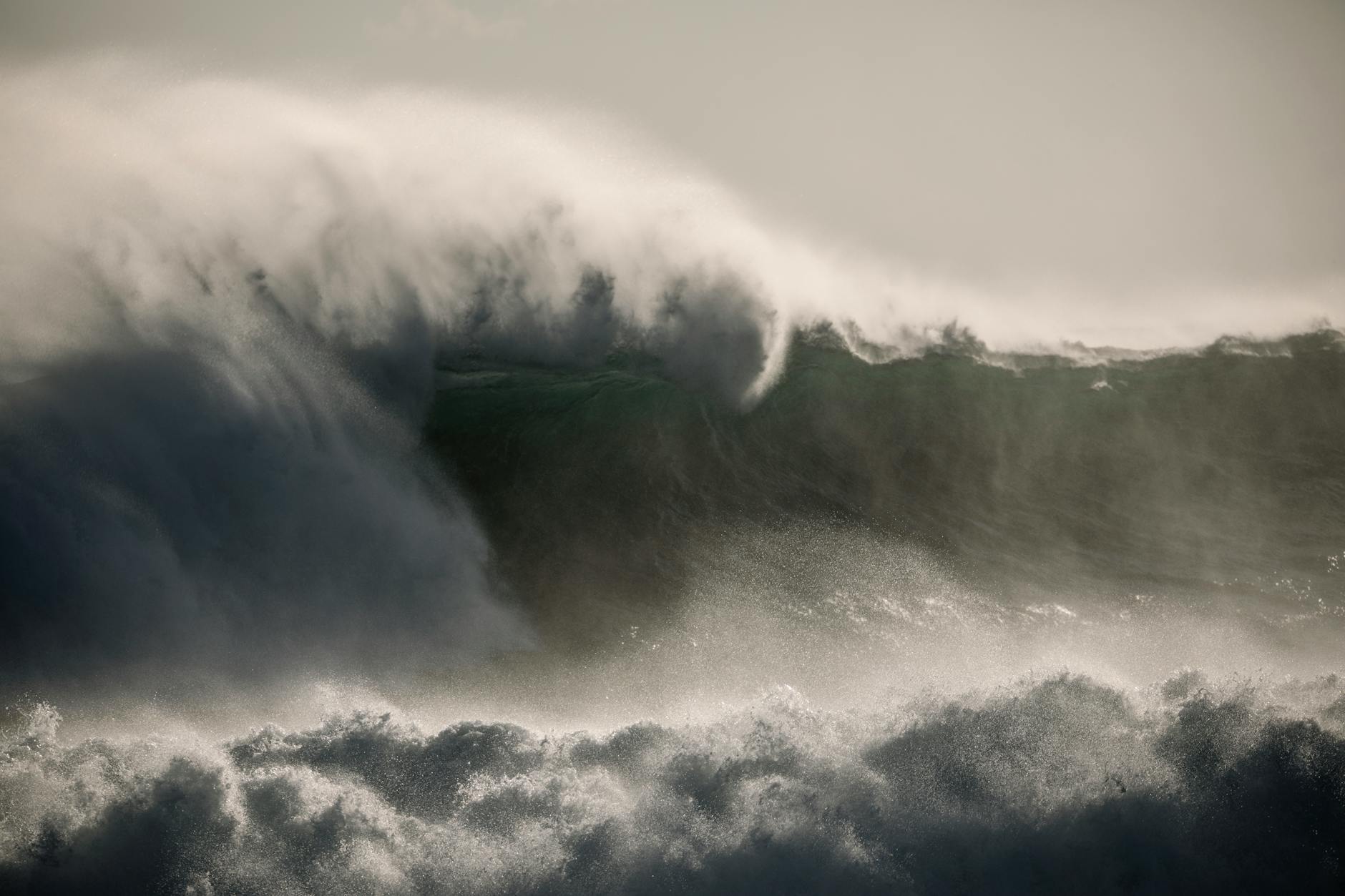
Tsunami resilience requires the use of site planning strategies to mitigate the effects of a tsunami. These strategies are found in the document Designing for Tsunamis from the US National Tsunami Hazard Mitigation Program, which recommends knowing a community’s tsunami risk, avoiding new development in tsunami-prone areas, new structure design, existing structure retrofit, evacuation plans and other strategies.
The credit also requires the installation of tsunami danger area and evacuation route signs and public alert receivers in critical or public venues.
Winter Storms
To provide resilience against winter storms, the credit requires that a project provide adequate ingress/egress for vehicles, a snow removal plan, safe walking surfaces and plants with capacity for heavy snow.
Conclusion
Broadly speaking, the credit develops the requirements of the Climate Resilience Assessment prerequisite, requiring the hazards identified in that assessment to be practically addressed in the project’s design and construction. It deepens the alignment of LEED v5 with resilience as a principle, supplementing the sustainability focus of previous LEED iterations.
Thanks for reading! Please like this post if you enjoyed the content, comment if you have any questions, and consider subscribing to this blog for future posts.


Leave a comment